

Lalit Shastri
There are many ways of measuring the success of a news publication. One can count its journalists, offices, social-media followers, subscribers, advertising revenue or the number of times its stories are cited by others. In the digital age, page views and unique visitors have also become convenient measures of reach. But there is another measure that I find far more revealing: where the readers are coming from, how they discover the journalism and, perhaps most importantly, whether they keep coming back.
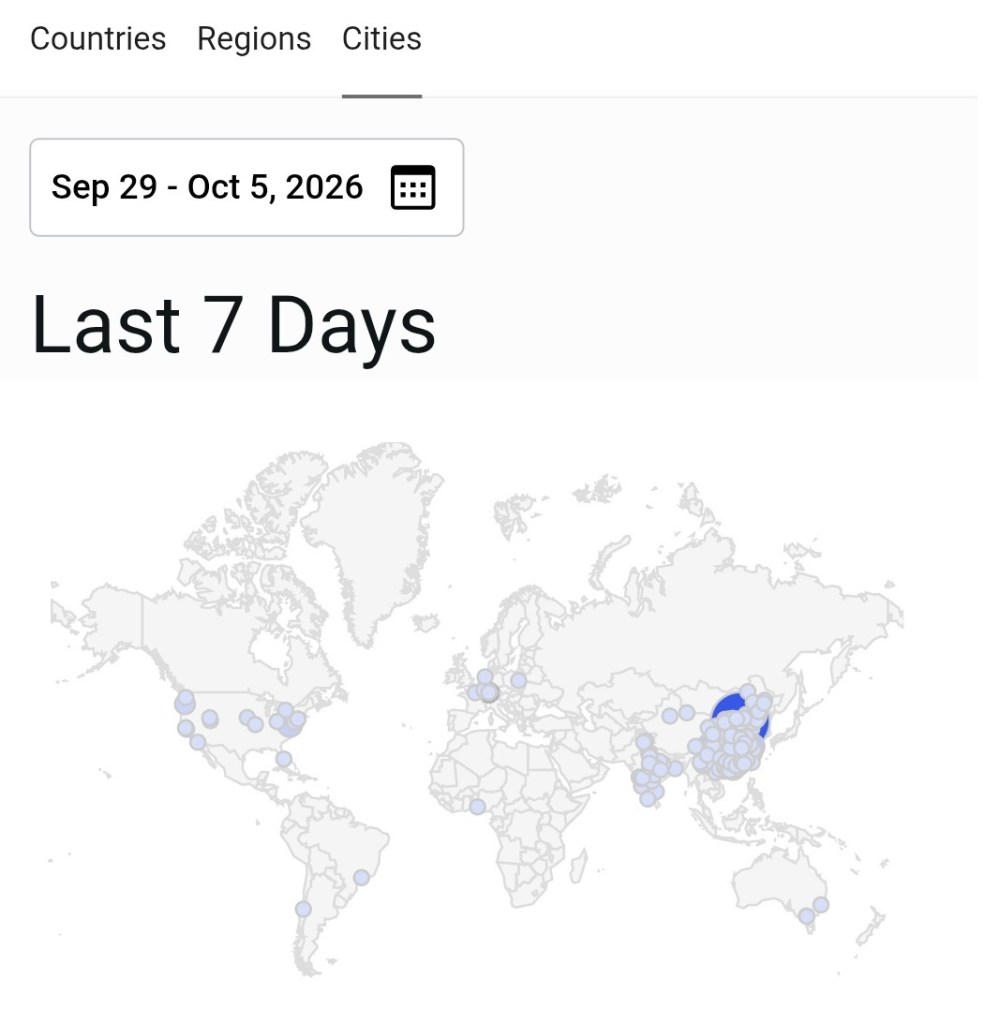
The recent statistics of ThisisNews offer an interesting glimpse into that story. The geographic analytics for the week of September 29 to October 5, 2026 show readers accessing the website from locations spread across continents. The map includes North America, Europe, Asia, South America and Australia, apart from a wide distribution across Indian cities. The city-level statistics reveal locations as varied as Beijing, Ashburn, Portland, Bengaluru, Paris, Luxembourg, São Paulo, Talca, Guna and several smaller places. Beijing, for instance, recorded 210 views during the period shown, followed by Ashburn with 24 and Portland with 15. Bengaluru recorded five, Council Bluffs four and Paris three, while readers also appeared in places where one would hardly expect an independent Indian news publication to have any obvious geographical constituency. One should obviously be cautious about reading too much into individual city figures.
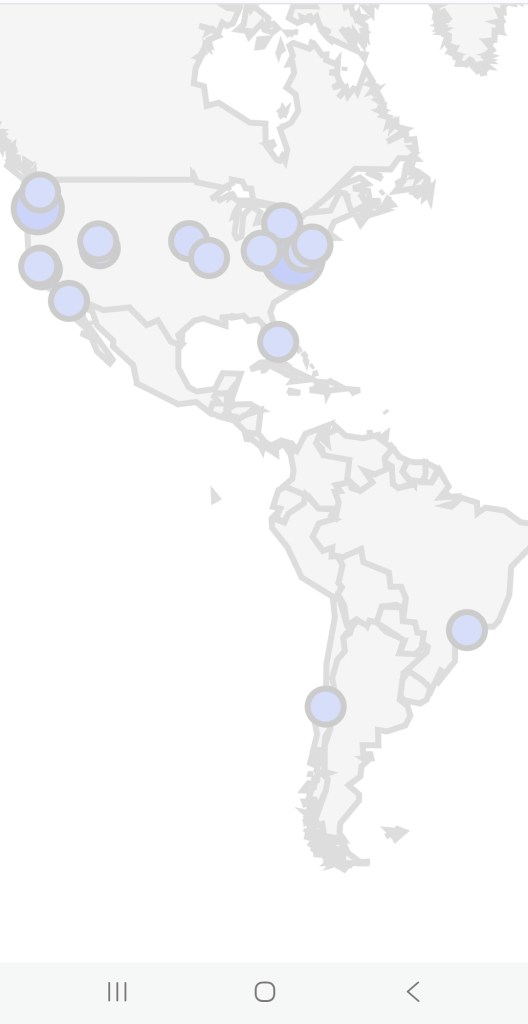
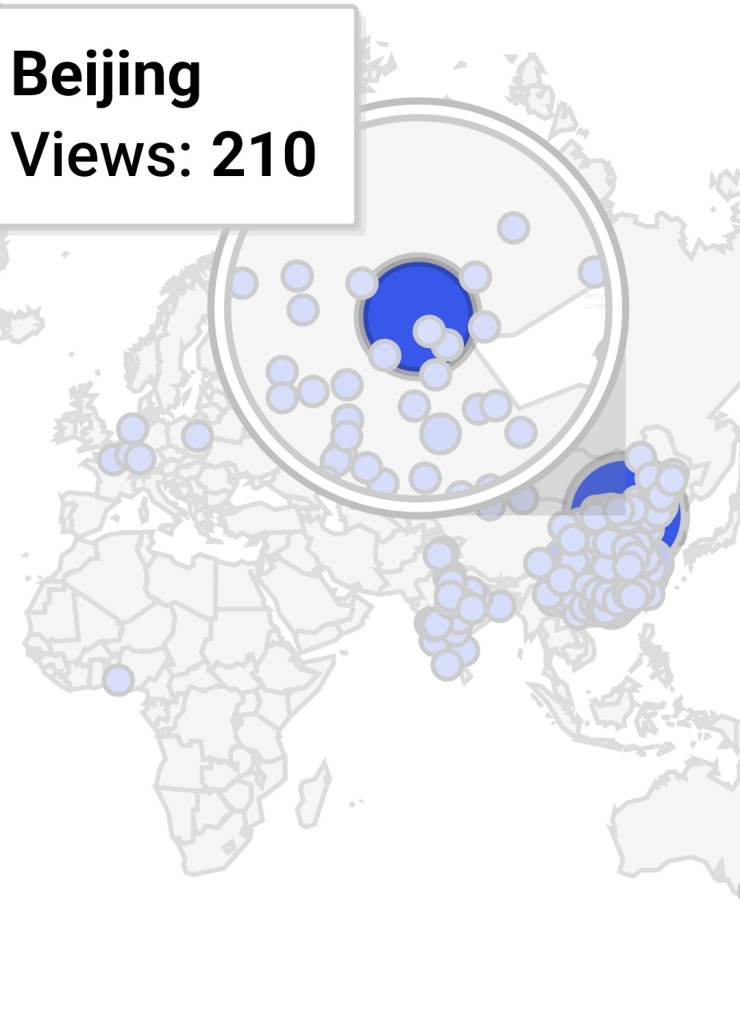
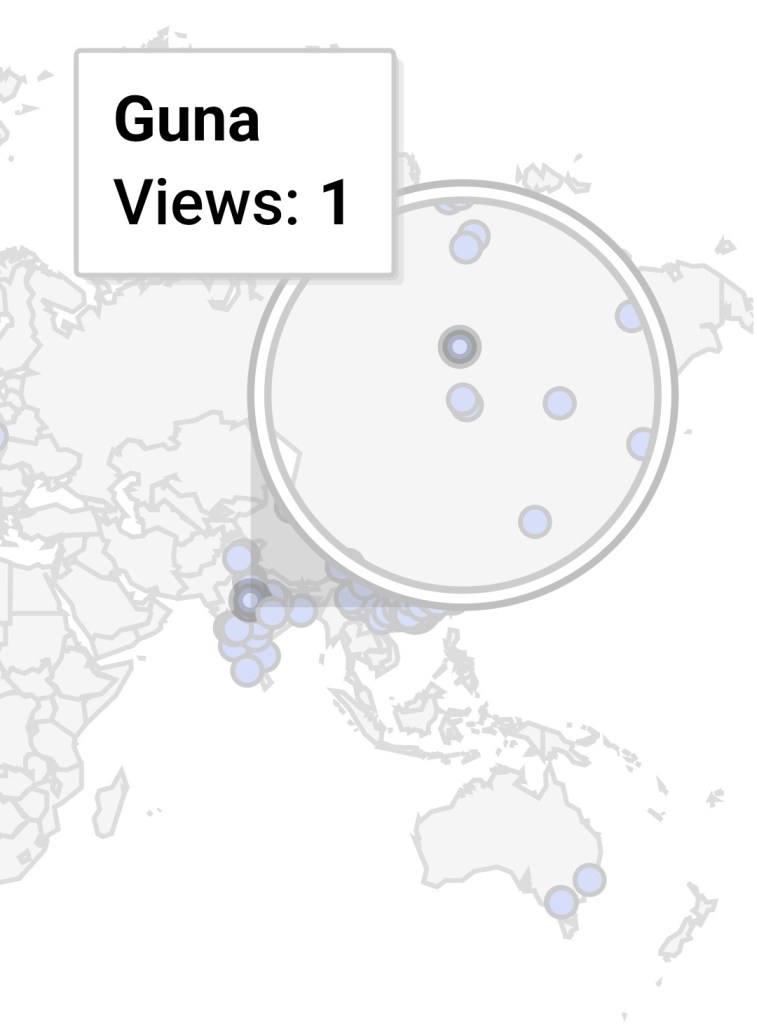
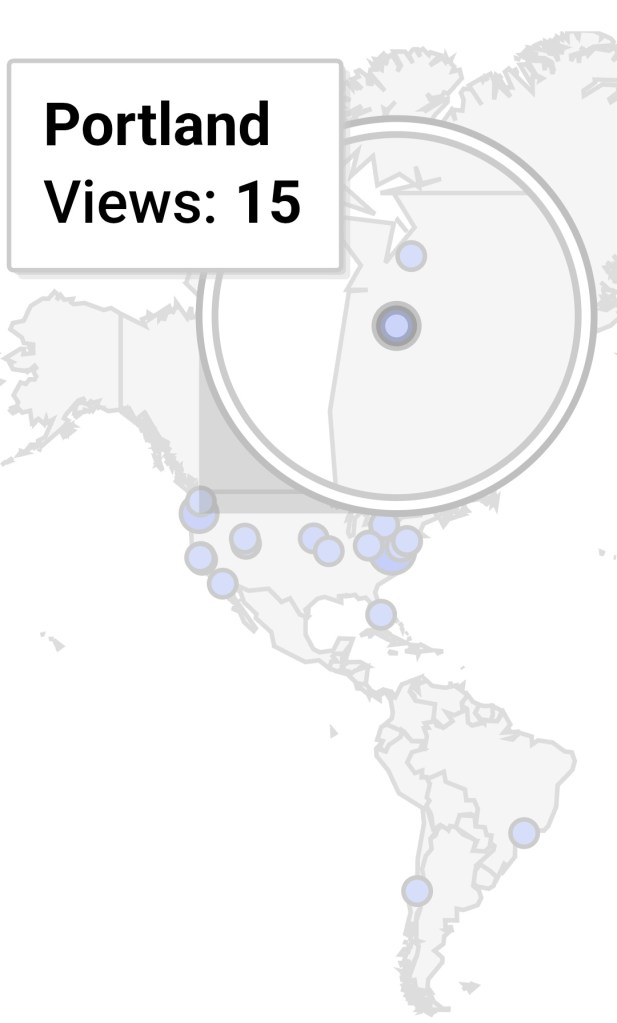
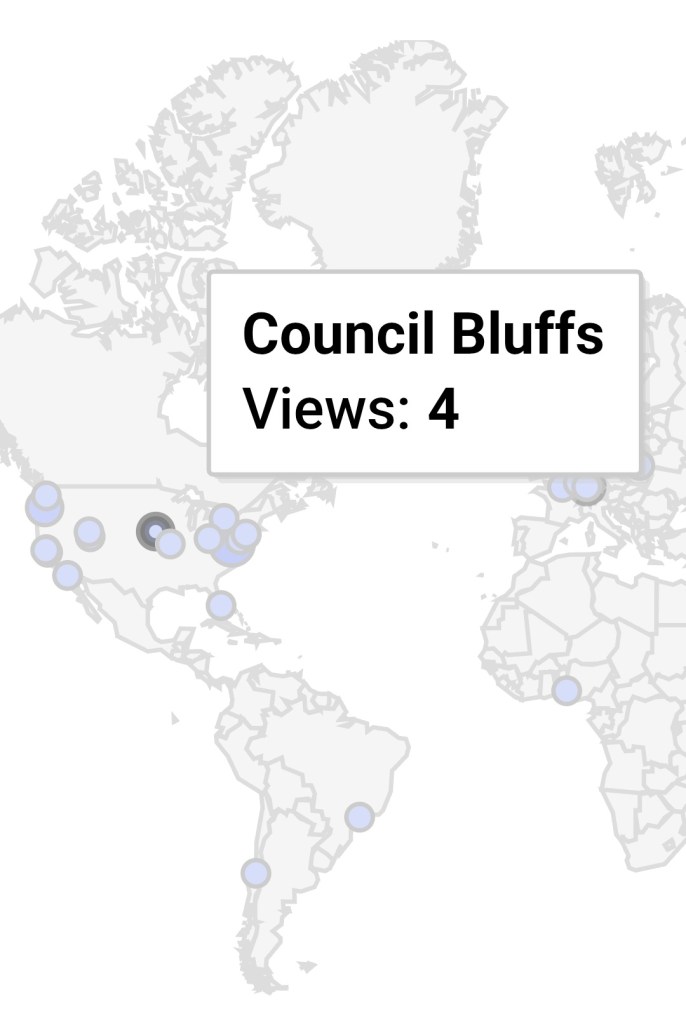
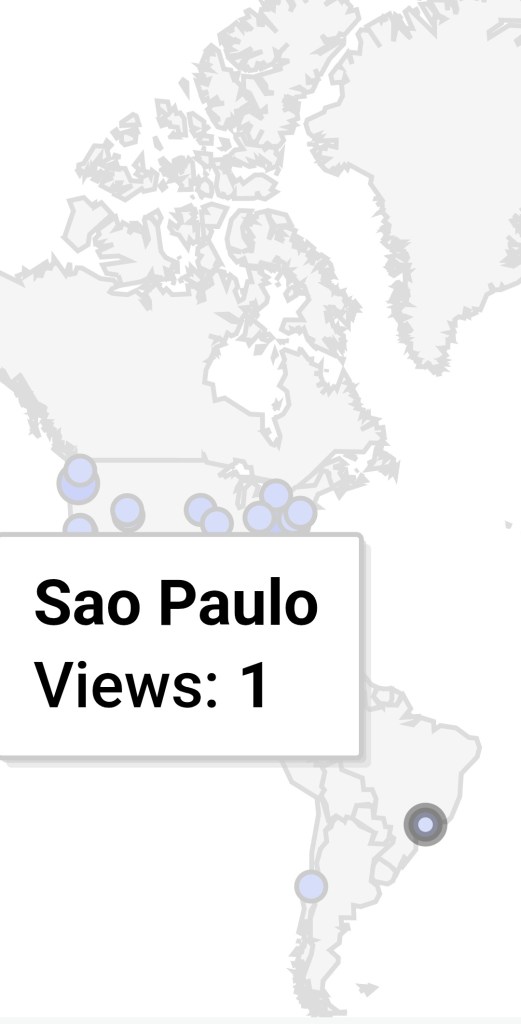
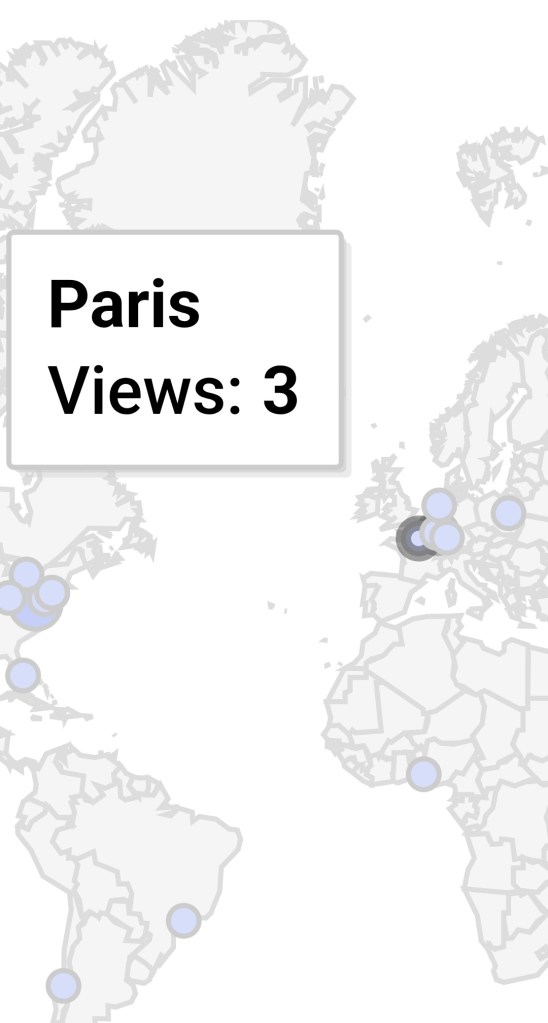
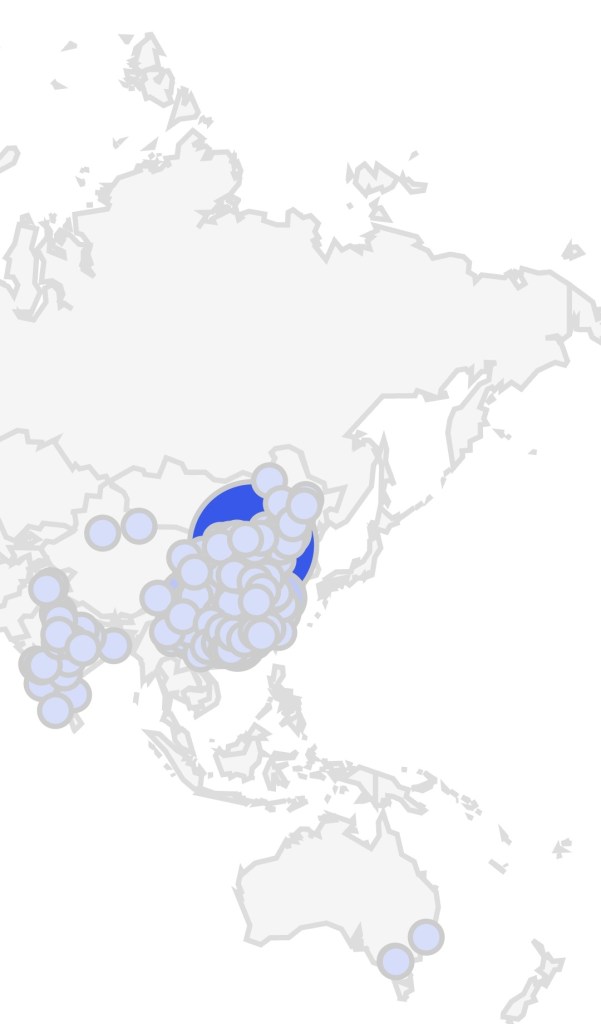
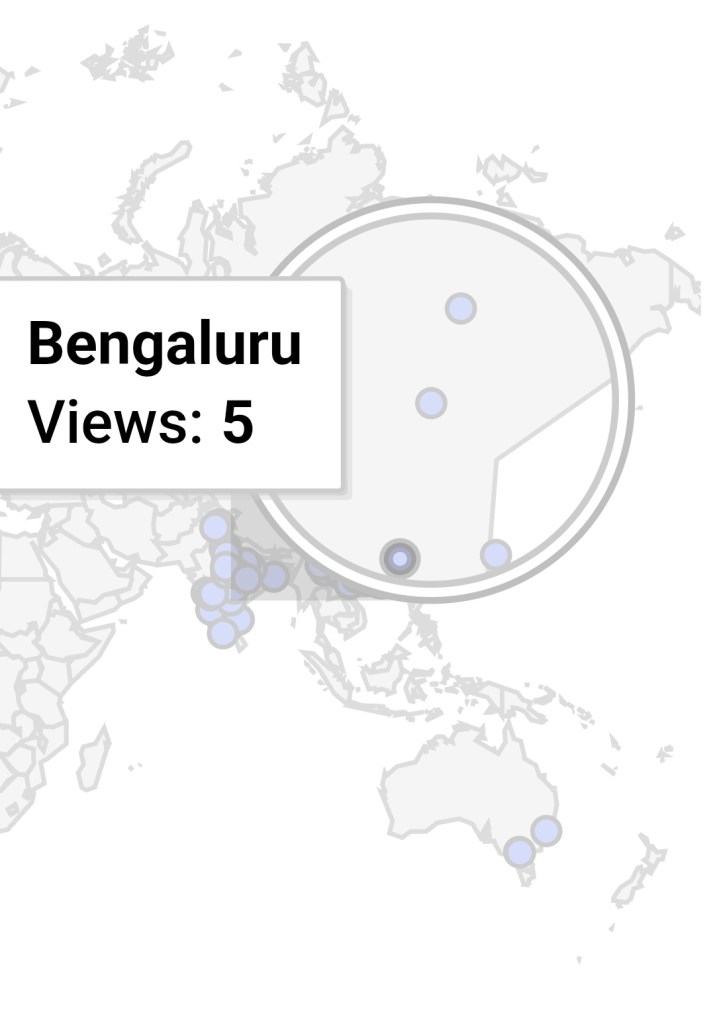
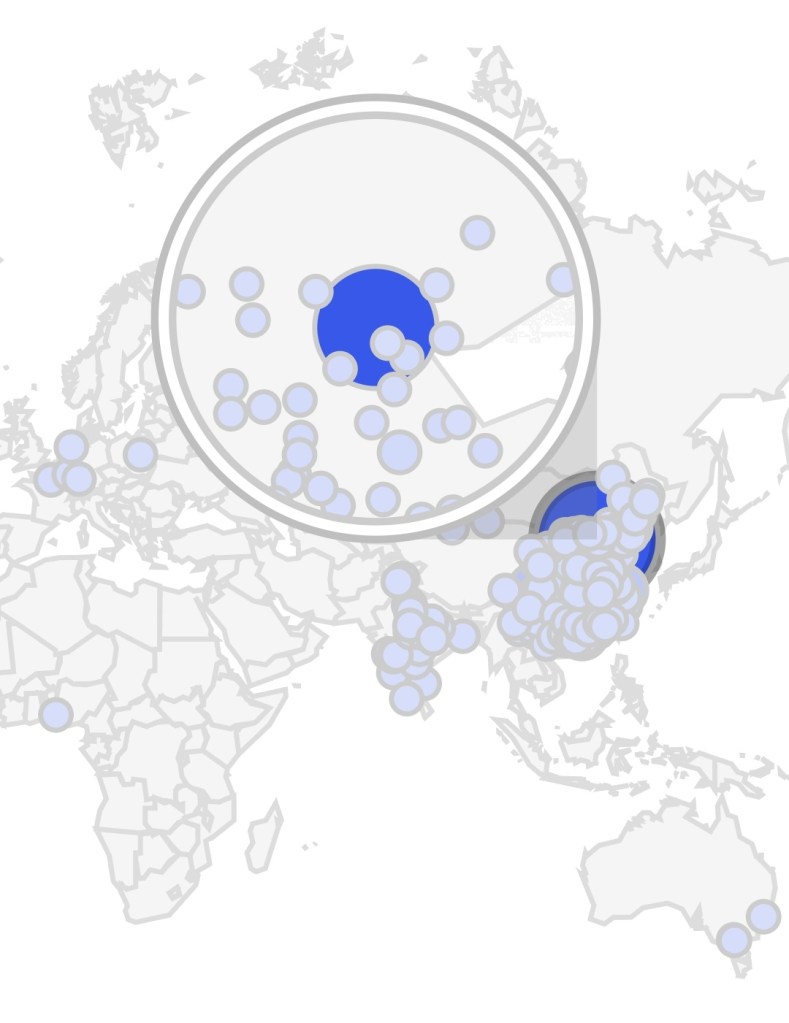
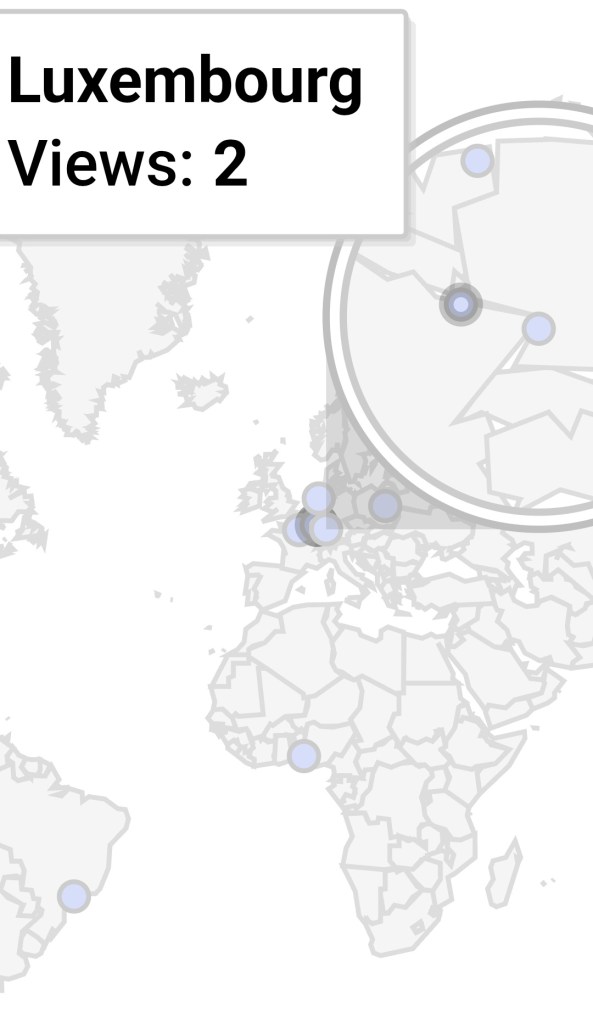
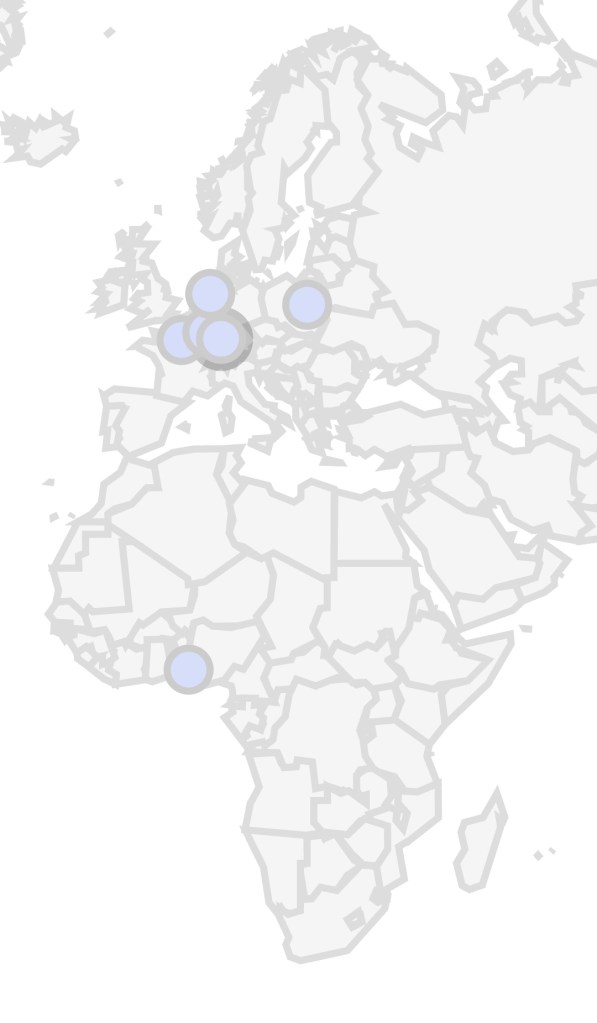
A website view does not necessarily represent a unique individual, and geographic analytics can be influenced by institutional networks, VPNs, proxies and other technical factors. But individual numbers are not really the point. The pattern is. What is striking is the geographical dispersion of the readership, and, more importantly, the fact that this is not a one-week phenomenon.
There is a history behind the present geographic footprint. Before it became ThisisNews, the publication operated as Newsroom24x7. Its WordPress statistics for the period January 1, 2014 to December 31, 2024 record approximately 1.2 million views from 815,100 visitors. The same statistics record about 2,500 likes and 519 comments.
These numbers are not the product of a short-lived viral moment. They represent a decade of accumulated readership. The annual statistics show considerable variation, with stronger and weaker years, as one would expect from a publication whose fortunes are linked to the subjects it covers rather than to a continuous commercial marketing campaign.

There was a particularly strong rise in 2022, followed by lower traffic in subsequent years. But the more revealing information lies in the sources through which readers discovered the site. Search engines accounted for 446,235 views during the period. The Google Android Quick Search Box contributed another 120,018. Facebook accounted for 55,231, X for 6,875, Google News for 4,155, WordPress Reader for 2,290, Wikipedia for 1,817 and LinkedIn for 1,331.

The figures suggest something important: a substantial part of the audience was not simply being pushed towards the publication through social-media feeds. Readers were reaching the journalism through search, looking for information on subjects covered by the publication. That distinction matters. Social media can produce spectacular but short-lived spikes of attention. Search can give journalism a much longer life. A story published years ago can continue to be found by somebody looking for information about a particular person, institution, controversy or event. The archive itself becomes a source of readership.
The list of the most-viewed stories makes this even clearer. The single most-viewed article in the Newsroom24x7 statistics – a report beginning “Founder Director of LPSC-ISRO calls Nambi’s bl…” – recorded 146,967 views.
The Home page/Archives registered another 109,074. “Save ISRO: Nation cannot remain mute spectator” received 34,396 views. Other highly read reports included a story on the Delhi police busting an international gang of cheats, with 19,213 views; a report concerning the Semiconductor Laboratory, with 17,380; “Recruitment scam puts ISRO leadership in dock”, with 17,236; a report on reservation in promotions for SC/ST categories, with 16,293; and the story on Kunhikrishnan becoming Chairman of IN-SPACe, with 13,215.
There is a pattern here too. The stories that travelled were not merely routine news reports. Several dealt with ISRO, science and technology, public institutions, governance, accountability and controversial public issues. In other words, specialised and often difficult journalism could generate a readership far beyond the immediate geographical constituency of the publication. That is one of the great possibilities of the internet that is sometimes forgotten amid the obsession with algorithms and social-media metrics. A story does not necessarily need a huge newsroom behind it to travel. It needs to be worth finding.
There is, however, another dimension to these statistics which cannot be seen in a dashboard. For many years, I have consciously chosen to run the publication not as a conventional commercial enterprise but as a mission and philanthropic effort – an attempt, in my own small way, to repay society for what it has given me through journalism and through life. That decision has involved another conscious choice: I have not sought funding from any source to run the website. There is no financier whose interests have to be protected, no political patron whose sensitivities have to be accommodated and no corporate funding arrangement that can determine which stories should be pursued and which should be avoided.
This has obviously not been the easiest way to run a publication. It has, however, given me something I value much more than commercial ease – editorial independence. The freedom to pursue a story is inseparable from the freedom to say no to pressures that may come with money. That is why the organic nature of the readership matters to me. I have not attempted to build an audience by buying one. I have not sought to manufacture traffic by manipulating algorithms. I have not approached the publication as a commercial product whose principal objective is to maximise the next month’s traffic graph. The publication has simply continued to publish. Some stories have travelled widely. Others have reached relatively few readers. Some have generated controversy. Some have quietly remained in the archive. Some have resurfaced years later because somebody somewhere was looking for precisely that information. That is the natural, unpredictable life of journalism.
The change from Newsroom24x7 to ThisisNews, therefore, should not be understood merely as a change of name. The archive, the experience and the readership accumulated over the years did not disappear. They travelled with the publication.
The recent geographic statistics provide a new glimpse of that continuing journey. An independent Indian publication is being accessed from cities and locations across the world. Some are major metropolitan centres. Others are places that have no obvious connection with the physical location of the newsroom.
The map is therefore more interesting than any single traffic number. It suggests that the publication’s digital footprint is considerably larger than its physical footprint. And that, in the end, may be one of the most satisfying things that can happen to a journalist. A newsroom can be small. Its resources can be modest. Its publisher need not have a commercial empire behind it. Yet a report written in one part of India can be read in Beijing, Paris, an American city, São Paulo or a small town thousands of kilometres away. That is the extraordinary democratic possibility that the internet once promised journalism.
None of this is an argument that ThisisNews is comparable in scale with India’s largest digital news organisations. The available statistics do not support such a claim, and there would be little point in making it. The argument, however, is a different one. For more than a decade, an independent publication has accumulated a substantial readership without building itself around outside funding. Its journalism has generated individual stories with tens of thousands of views, including one with nearly 147,000. Search engines have been a major route through which readers have discovered its work. And its current geographic analytics show readers dispersed across India and well beyond it. These are not merely traffic numbers. They are traces left by people who, at some point, wanted to read something that the publication had chosen to put into the public domain.
I did not start or continue this publication with the ambition of building a media empire. I have spent a lifetime in journalism, and whatever journalism has given me – professionally, intellectually and personally – I have felt a responsibility to give something back. This publication is my way of doing that. If, after all these years, a report written in India finds a reader in Beijing, Paris, Portland, São Paulo, Bengaluru or Guna, it tells me something more valuable than a traffic graph ever could. The journalism travelled. It found its readers without being pushed upon them. And perhaps, for someone who has chosen to keep journalism alive as a mission rather than as a business proposition, that is the quiet satisfaction of knowing that the purpose with which I began has been fulfilled.
