
Lalit Shastri
Every democracy must answer one fundamental question: Where does the constitutional right to dissent end, and where does the constitutional duty to uphold the rule of law begin? India can no longer postpone that answer.
The right to protest is one of the defining features of a constitutional democracy. It has corrected injustices, held governments accountable and given citizens a peaceful means of expressing their grievances. India’s Constitution guarantees every citizen the freedoms of speech, expression and peaceful assembly. These are not concessions granted by the State but fundamental rights guaranteed by the Constitution itself. Yet these rights are not absolute. They coexist with an equally important constitutional obligation—the preservation of public order, the rule of law and the uninterrupted functioning of democratic institutions. The time has therefore come for India to initiate a serious national debate on codifying the legitimate and lawful boundaries of democratic protest. Such a framework would not weaken democracy; it would strengthen it.
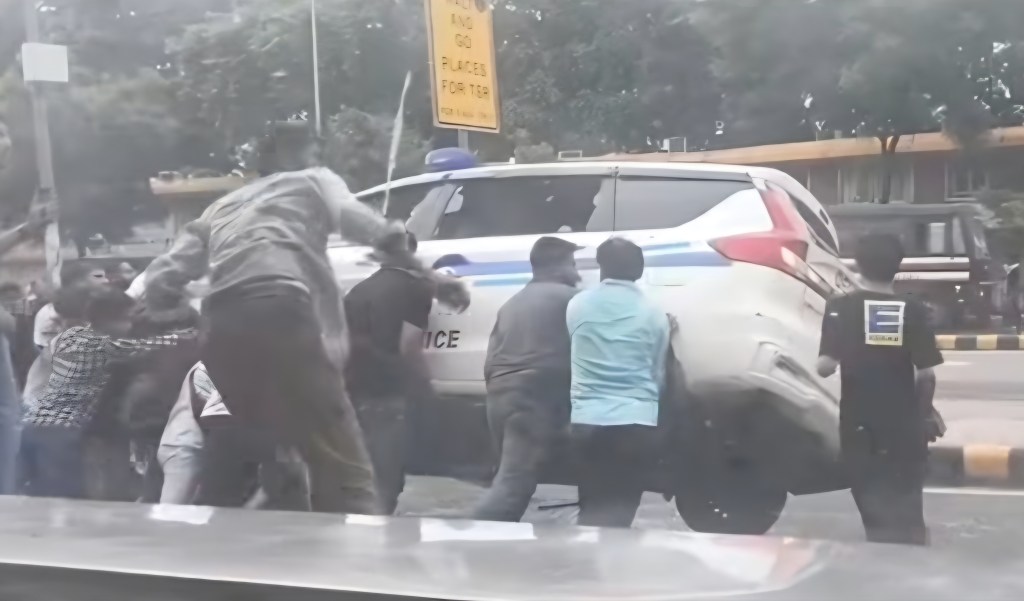
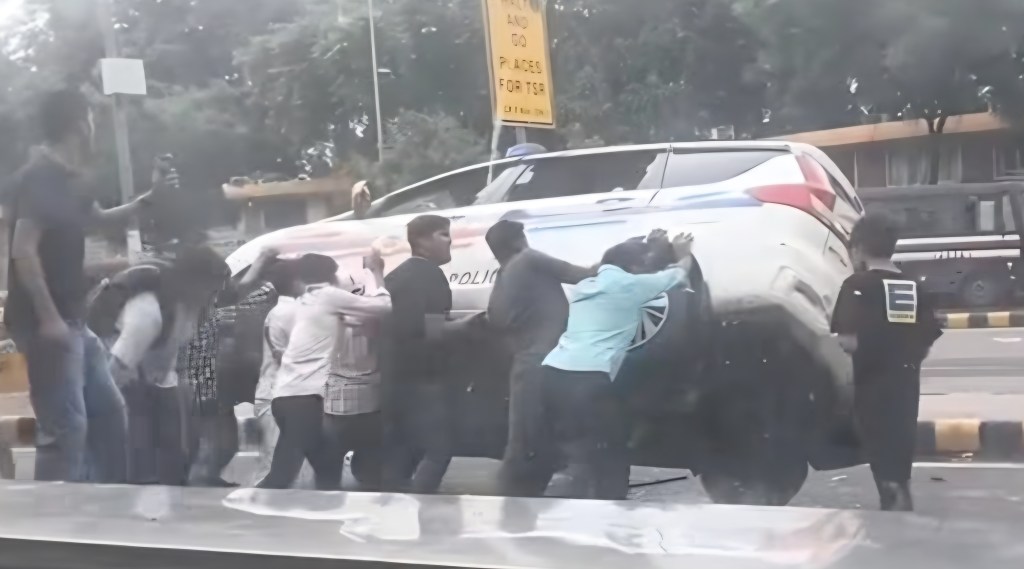
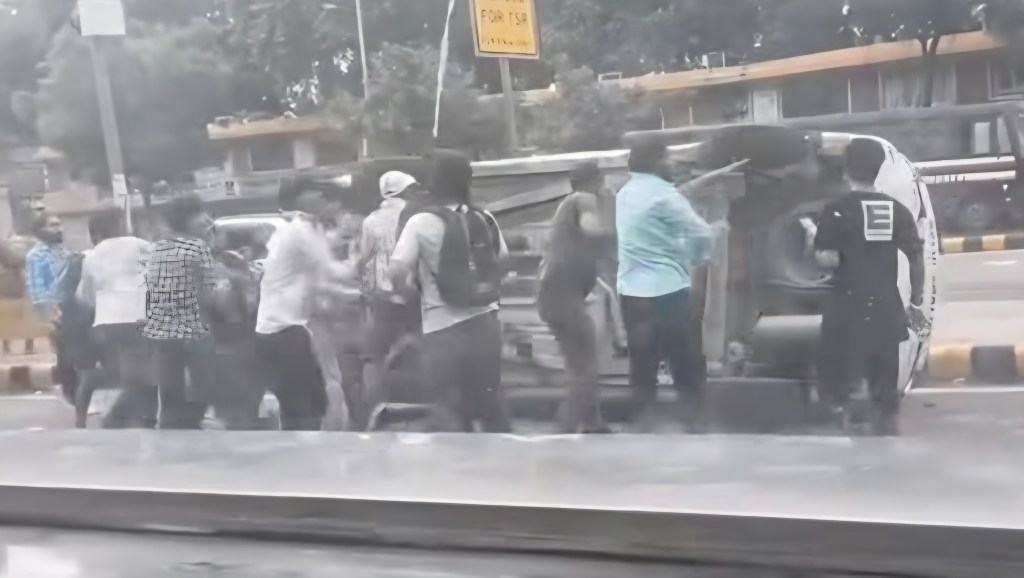
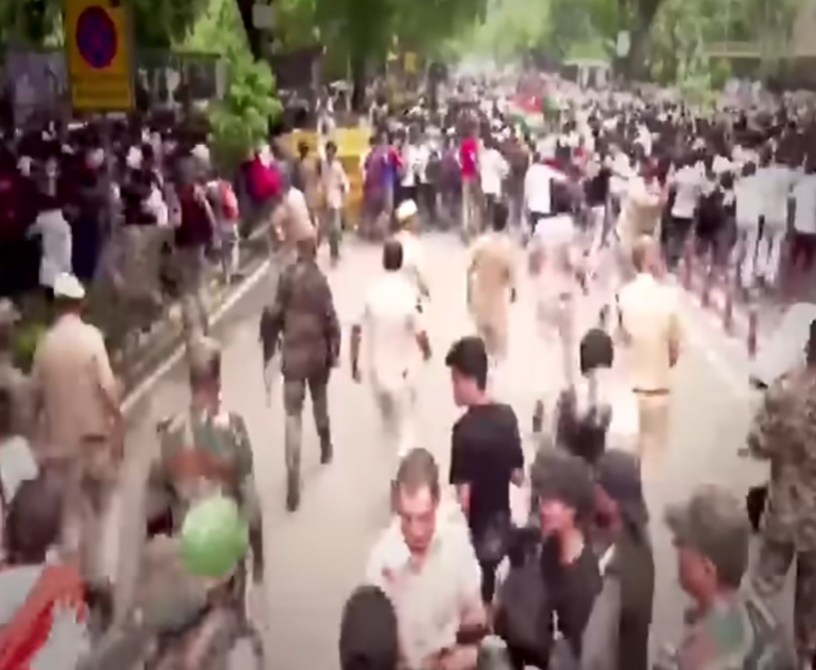
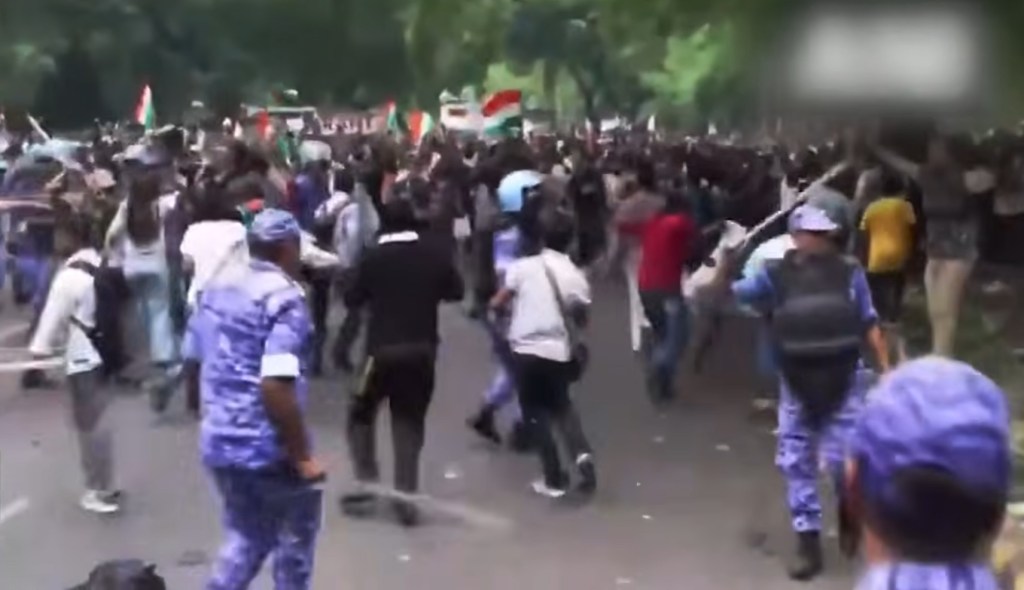
The recent cycle of street protests, political mobilisation and repeated disruption of Parliament once again raises a fundamental question. At what point does democratic dissent cease to be an exercise in constitutional freedom and become an assault on the constitutional order itself? Every political party has the right to criticise the government, organise demonstrations and mobilise public opinion. Every citizen has the right to participate peacefully in such movements. However, no political objective, however passionately pursued, can justify violence, destruction of public property, attacks on law-enforcement personnel, intimidation of ordinary citizens or the deliberate paralysis of constitutional institutions. The Constitution protects peaceful dissent; it does not provide immunity for criminal acts committed in its name.
Modern political movements across the world have increasingly become battles of narratives. Public opinion is shaped not merely through facts but through sustained campaigns, social media amplification and carefully constructed political messaging. Scholars have long studied methods of civil resistance, political mobilisation and non-violent action, and these ideas continue to be discussed in academic and strategic circles across the world. Whatever their origins, India’s response must remain rooted in its own constitutional framework. The real issue is not whether a particular political strategy resembles an international playbook. The real issue is whether any movement, irrespective of ideology or political affiliation, remains within the limits prescribed by the Constitution and the law.
India cannot afford a situation where every grievance inevitably culminates in road blockades, violent confrontations, vandalism, attacks on police personnel and repeated disruption of Parliament. Equally, governments must never suppress peaceful protest or silence legitimate criticism. Constitutional democracy demands balance. Peaceful protest deserves complete protection. Violence deserves zero tolerance.
That is precisely why India needs a comprehensive legal framework – a Constitutional Code for Democratic Protest. Such a code should clearly define the rights of peaceful demonstrators, the responsibilities of organisers and the legal consequences of crossing the line into criminality. Citizens exercising their constitutional freedoms should receive full protection from the State. Those who incite violence, organise vandalism or encourage attacks on public servants should know with equal certainty that the law will follow its course without fear or favour. The law must apply uniformly, irrespective of ideology, political affiliation or electoral convenience.
Technology has fundamentally transformed the capacity of the State to investigate crime. High-definition surveillance systems, video analytics, digital forensics, facial-recognition systems where lawfully authorised and other modern investigative tools have made it increasingly difficult for offenders to disappear into anonymous crowds. Individuals who indulge in arson, destruction of public property, attacks on law-enforcement personnel or other criminal acts during protests should be identified through legally admissible evidence, investigated impartially and prosecuted strictly in accordance with due process. The objective is not surveillance of peaceful citizens but accountability for those who commit crimes under the cover of mass mobilisation.
India should also establish dedicated fast-track courts to deal with offences arising from violent protests. Justice delayed weakens deterrence and emboldens repeat offenders. Swift, impartial and evidence-based trials would serve the interests of both the accused and society. Those found innocent should be exonerated without delay. Those found guilty should face timely and proportionate punishment prescribed by law. Nothing erodes respect for the Constitution more than the perception that organised violence carries little consequence.
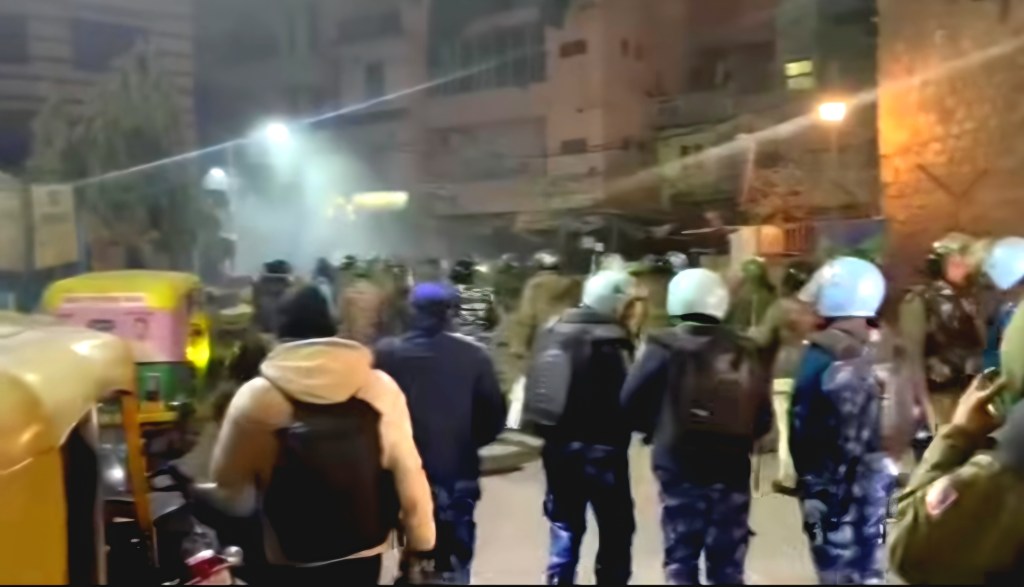
The destruction of public property deserves particular attention. Every bus burned, railway station vandalised, government office attacked, ambulance damaged or police vehicle set ablaze represents not merely an assault on government property but on the taxpayer. Public infrastructure belongs equally to every citizen, including those who may disagree with the government of the day. Those responsible for such destruction should not only face criminal prosecution but should also be held financially accountable, wherever the law permits, for the losses inflicted upon society. Democracy cannot become a licence to destroy assets created from public money.
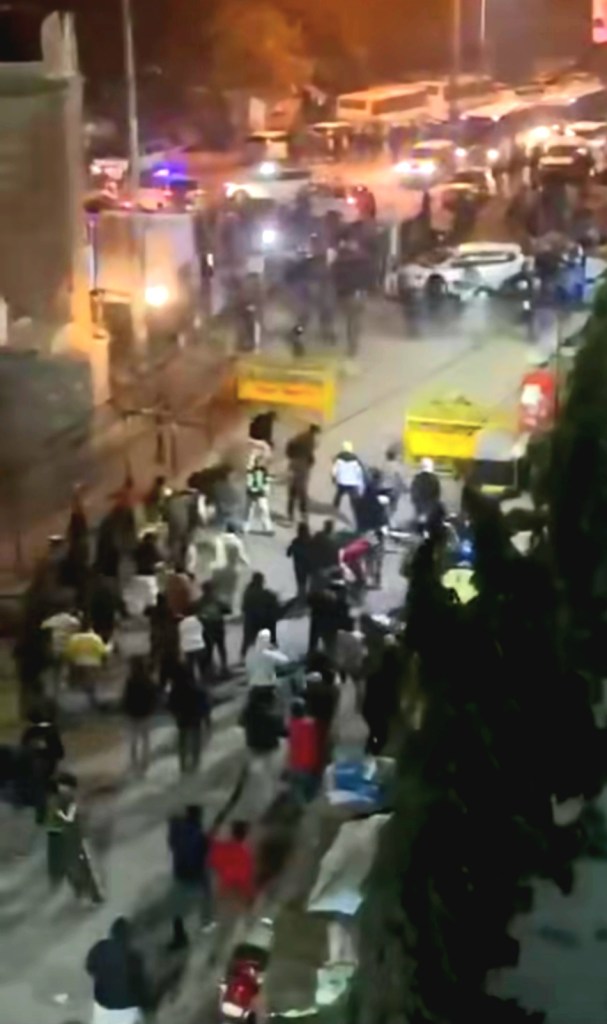
Parliament too must be protected as the supreme forum of democratic accountability. Governments must answer difficult questions. Oppositions must challenge them vigorously. But Parliament exists for debate, legislation and accountability—not for perpetual disruption. When slogans replace discussion and adjournments replace deliberation, it is ultimately the citizen who pays the price.
The enduring strength of the Indian Republic lies not in the volume of its protests but in the resilience of its constitutional institutions. Freedom without responsibility degenerates into disorder. Authority without accountability degenerates into authoritarianism. The Constitution wisely rejects both extremes. It guarantees liberty while insisting upon the rule of law.
India codified elections. It codified criminal justice. It codified parliamentary procedure. Perhaps the time has now come to codify democratic protest itself- not to restrict dissent, but to preserve it. A constitutional democracy cannot allow peaceful protest to be hijacked by those who believe violence, intimidation and destruction are legitimate political instruments. The right to dissent must remain inviolable; the licence to violate the law can never become a constitutional right.
India has reached a stage where it must draw this constitutional line with greater clarity. Peaceful protest should be protected without hesitation. Violence should be prosecuted without exception. The certainty of lawful accountability- not political selectivity – will preserve democratic freedoms far more effectively than either indiscriminate repression or unchecked disorder. Only when every citizen understands that dissent is protected but lawlessness is not will India’s democracy become stronger, more mature and more secure for generations to come.
