
Sarod maestro says humanity is becoming increasingly cruel; calls for value-based education, peace and compassion in every classroom
ThisisNews Network
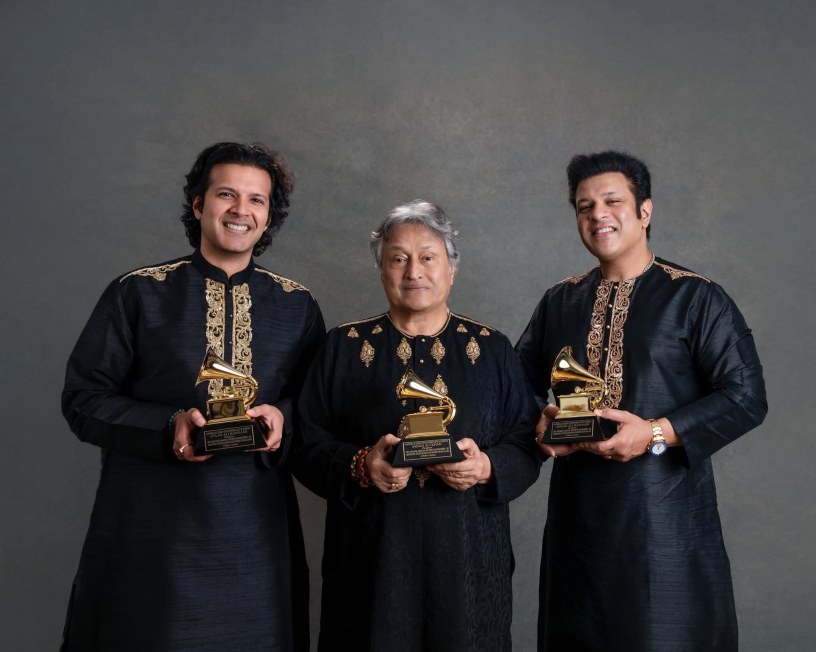
Bhopal/New Delhi: At a moment when the world is celebrating his first Grammy Award, sarod legend Ustad Amjad Ali Khan is speaking not about music, fame or personal achievement, but about humanity’s growing loss of compassion.
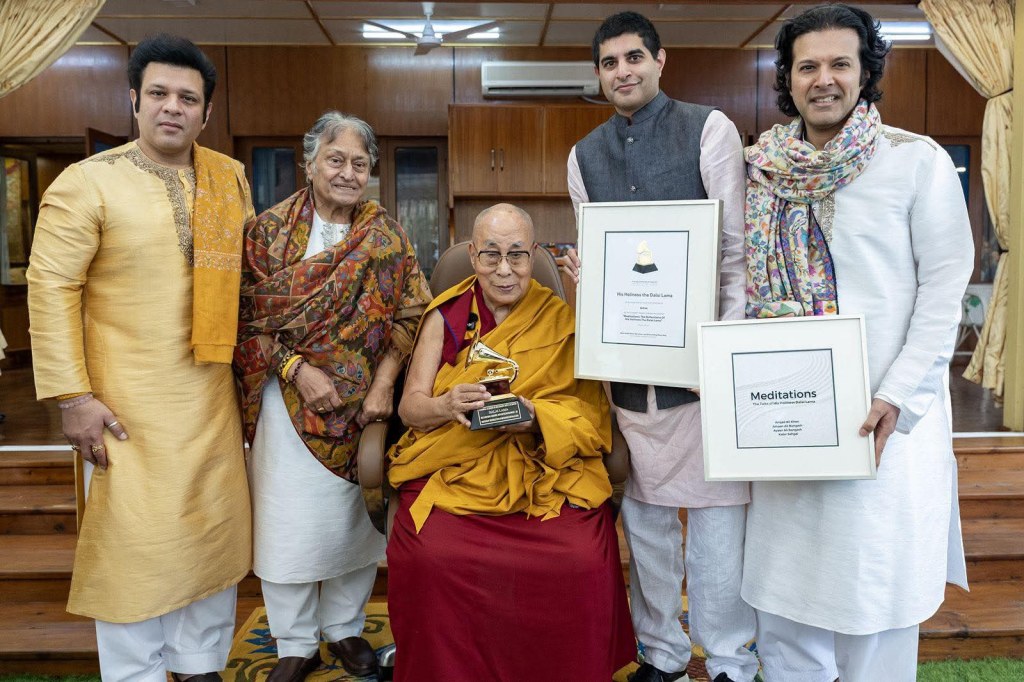
In a deeply moving message shared with senior journalist Lalit Shastri following his Grammy win for Meditations: Reflections of His Holiness the Dalai Lama, the maestro delivered what amounts to a moral reflection on the state of modern civilisation.
Calling the Grammy “the biggest award” of his life, Khan said the honour holds special meaning because it is associated with the message of peace, harmony, unity and compassion championed by His Holiness the Dalai Lama.
Yet his words quickly moved beyond celebration to concern.
“We believed the 21st century would be peaceful because people would be educated. Unfortunately, education has not succeeded in creating compassion and kindness within human beings.”
The observation came as part of a broader lament over the violence, hatred and division that continue to scar societies across the globe.
Khan expressed anguish at the sight of people being killed in the name of religion despite unprecedented levels of literacy and technological advancement.
“What has education ultimately achieved if human beings continue to kill one another?” he asked, adding that the world today often witnesses behaviour so brutal that “man has become an extremely cruel animal.”
A Grammy, But Also a Warning
The maestro’s remarks are especially striking because they come at a moment of international recognition.
His Grammy-winning work, Reflections, is a meditation on peace and spiritual introspection. Khan hopes its message reaches audiences far beyond the world of classical music.
“I hope this meditation album carries the message of peace and love throughout the world.”
For Khan, however, the challenge is not merely political or religious. It is educational.
He believes schools have become excessively mechanical, focused on examinations and notebooks while neglecting the cultivation of character.
‘Every School Needs a Class on Humanity’
In one of the most remarkable portions of his message, Khan proposed that every school should dedicate a special period exclusively to human values.
A classroom, he suggested, where children enter without books.
A classroom where teachers ask students how they are feeling.
A classroom where young minds learn the meaning of love, compassion, empathy, kindness and selfless service.
Instead, he said, education has become dominated by routine instructions:
“Open your notebook. Open your notebook.”
According to Khan, children need personal guidance and emotional connection as much as academic instruction.
He stressed that the relationship between teacher and student should extend beyond textbooks to include mentorship, affection and cultural grounding.
The Civilisational Value of ‘Namaskar’
The maestro also reflected on what he sees as one of India’s greatest cultural strengths: the tradition of greeting others with folded hands.
He spoke of Namaskar, Charan Sparsh and Sashtang Pranam not merely as customs but as expressions of humility, reverence and respect.
“Hindustan’s culture and etiquette are unique. We greet one another with both hands joined in respect.”
For Khan, such traditions embody values that modern societies urgently need to preserve.
Beyond Religious Boundaries
Perhaps the most profound part of the message was his affirmation of India’s pluralistic spirit.
“Our family feels connected to every religion in the world and to every faith in Hindustan.”
The statement reflects a philosophy that has long defined the maestro’s life and music—a belief that art transcends divisions and that humanity must come before identity.
A Message the World Needs to Hear
At a time when public discourse is increasingly polarised, Ustad Amjad Ali Khan’s Grammy acceptance message may be remembered less as a celebration of artistic achievement and more as a plea for moral renewal.
His concern is simple yet profound: education has taught people how to compete, but not always how to care.
His hope is equally simple: that future generations learn compassion before ambition, empathy before success and humanity before ideology.
As the maestro concluded with prayers for peace, happiness and good health for all, his words carried the resonance of a musician whose greatest composition may not be a raga, but a lifelong commitment to harmony itself.
AmjadAliKhan #GrammyAward #DalaiLama #Reflections #MeditationAlbum #WorldPeace #Compassion #ValueBasedEducation #IndianClassicalMusic #Sarod #Humanity #PeaceAndHarmony #AmaanAliBangash #AyaanAliBangash
