

Lalit Shastri
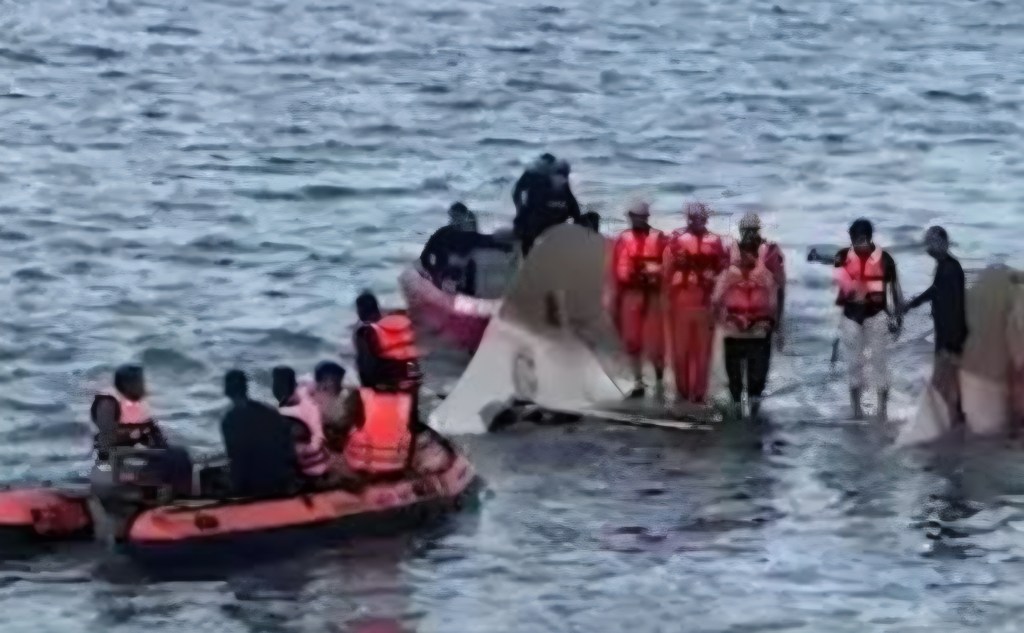
The tragic boat mishap near Jabalpur has once again forced us to confront an uncomfortable but necessary question: are our regulatory systems merely ornamental, or are they designed to prevent precisely such loss of life? Under the Inland Vessels Act, 2021, no vessel can legally carry passengers without a valid Certificate of Survey issued by a duly appointed surveyor. This is not a procedural nicety; it is the very foundation of passenger safety on inland waterways. Yet, in the shadow of this tragedy, the central question refuses to go away—was the vessel compliant, and if so, what does that compliance really mean?
If the vessel did possess a valid Certificate of Survey, then a deeper and more disquieting inquiry emerges. What standards were applied during inspection? Were safety protocols rigorously evaluated, or reduced to a tick-box exercise? The competence, training, and accountability of those entrusted with issuing such certifications come into sharp focus. A certificate, after all, is only as credible as the system that produces it. If a surveyed and certified vessel can still culminate in such a catastrophe, it raises legitimate concerns about whether regulatory oversight has been diluted by complacency, systemic gaps, or worse, institutional indifference.

Equally troubling is the alternative possibility—that the vessel may have been operating without the mandatory certification altogether. If that were the case, how did an uncertified vessel enter commercial operation? Where were the enforcement mechanisms that are supposed to prevent precisely such violations? Was there a failure of routine checks, or does this point to a broader culture of regulatory evasion that thrives in the absence of deterrence? These are not accusatory questions; they are questions that arise naturally when a statutory framework exists on paper but its presence on the ground appears uncertain.
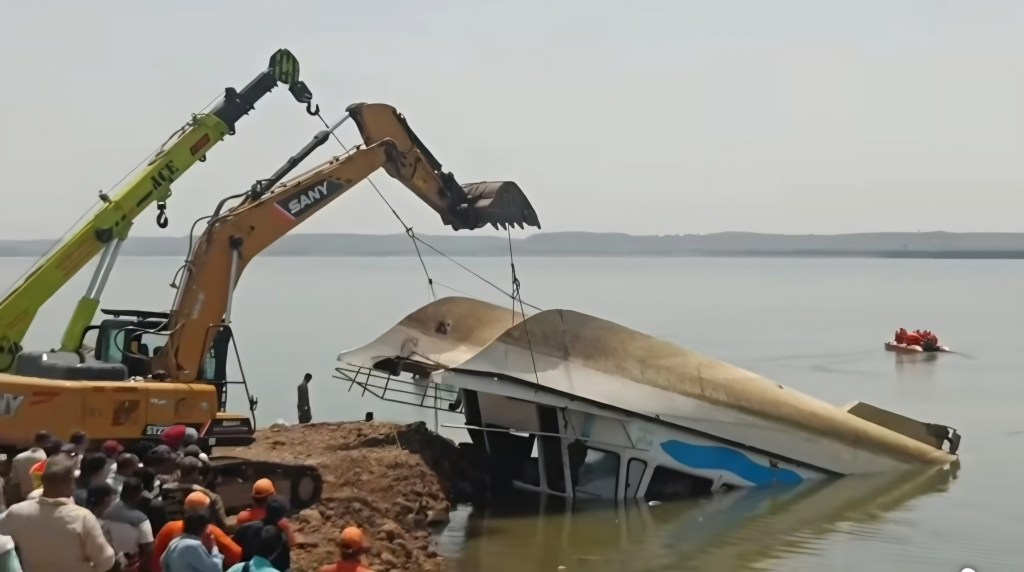

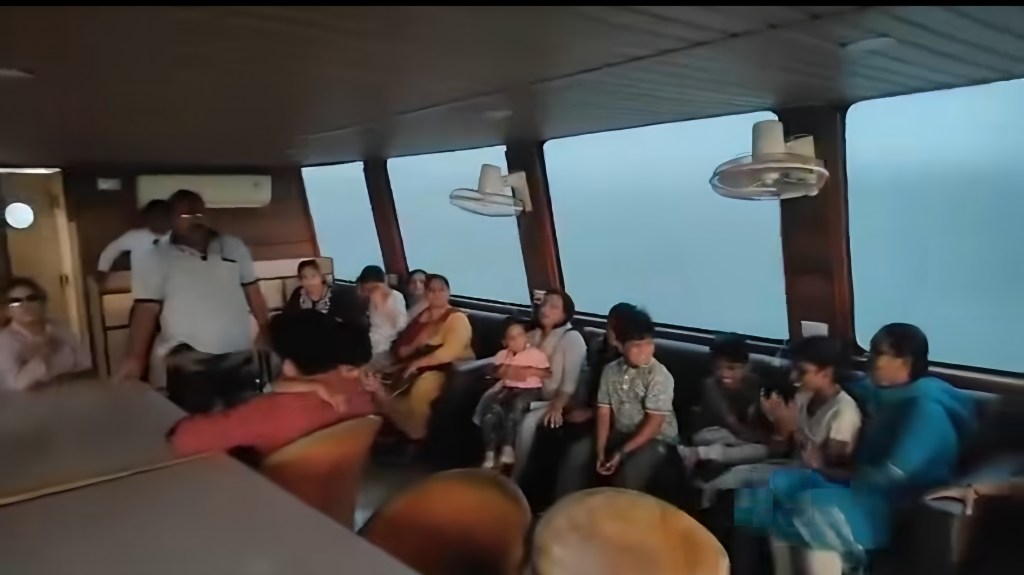
This is where the role of Madhya Pradesh Tourism Development Corporation assumes particular significance—but so too does the question of where the buck ultimately stops. In the aftermath of such tragedies, inquiries are often instituted and responsibility is eventually fixed, sometimes on individuals at the operational level. Yet, does accountability meaningfully travel up the supervisory chain? What of the layers of oversight—those who approve systems, sign off on empanelments, design monitoring protocols, and are tasked with ensuring compliance in spirit, not merely in form? If institutional responsibility is diffused across departments and hierarchies, does it risk becoming indistinguishable from absence of responsibility altogether? These are difficult but necessary questions if accountability is to be more than a post-facto exercise.

when contacted, a Madhya Pradesh Tourism Corporation insider, on condition of anonymity, stated: “There are no checks and balances for water and adventure sports. No qualified personnel in MPT. No surprise inspections nor any certification of boats by any technical personnel. No SOP’s for cruise operations. Imagine 32 pax’s with only 23 – 24 tickets issued. Ticketless travel and overloaded vessel.”
The tragedy also compels attention to another critical dimension: capacity and compliance. Even certified vessels are bound by strict limits on passenger numbers and safety equipment. Were these adhered to? Or did economic pressures and lax enforcement combine to turn a regulated activity into a hazardous gamble? In many such incidents, it is not the absence of law but the erosion of its enforcement that proves fatal.
In Madhya Pradesh, as in much of the country, inland waterways serve not only as a means of transport but also as a livelihood ecosystem. This makes robust regulation not just a legal obligation but a moral one. The intent of the law is clear—to ensure that every passenger who steps onto a vessel does so with a reasonable assurance of safety. When that assurance is shattered, it is not enough to respond with compensation and condolences. What is required is a transparent and time-bound examination of whether the safeguards mandated by law were meaningfully implemented.
At its core, this is not merely about one incident or one vessel. It is about the credibility of a regulatory system that stands between routine transport and preventable tragedy. The questions that arise today are not an indictment; they are an invitation—to investigate, to introspect, and to ensure that compliance is not reduced to paperwork, but upheld as a living commitment to public safety.
