

Lalit Shastri
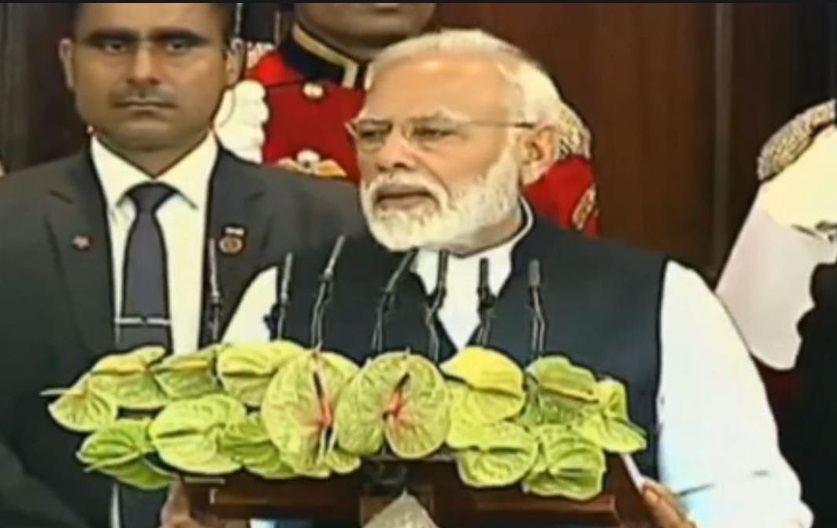
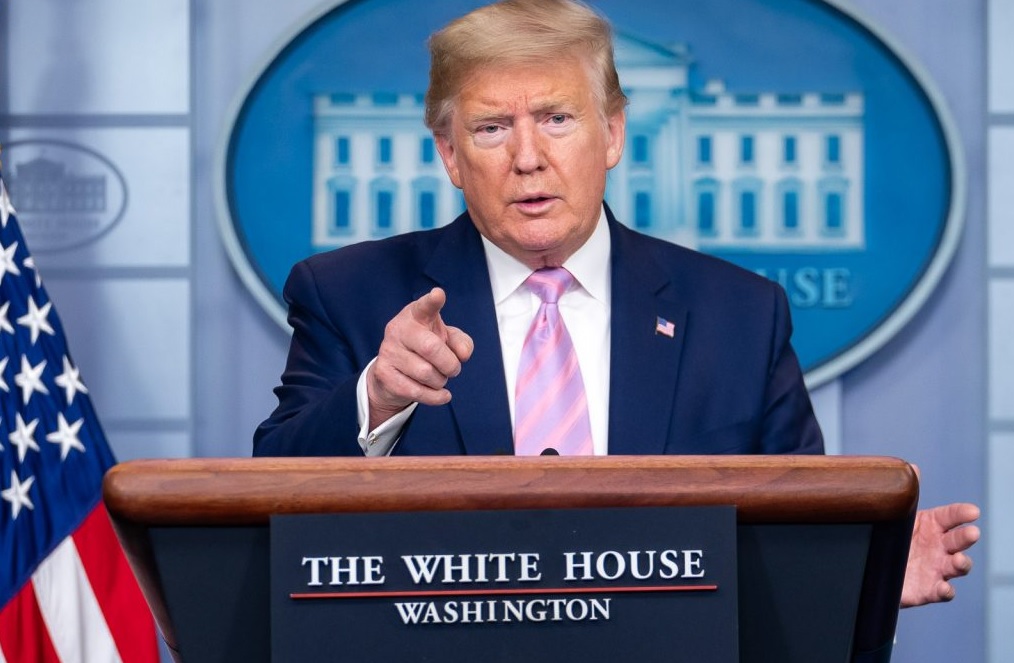
In a major shift in global trade dynamics, U.S. President Donald Trump on 2 February 2026 announced a landmark trade deal with India that cuts American tariffs on Indian goods to 18 per cent from a punitive 50 per cent — a dramatic move that resets economic ties between the world’s two largest democracies. This is not merely a tariff tweak: it is a geopolitical and economic breakthrough few nations — including Canada, Mexico, and the European Union — have managed with Washington in recent years.
Prime Minister Narendra Modi has played a long game, patiently negotiating under pressure and waiting for the moment when the United States would ultimately blink. For sheer negotiation acuity — extracting a favourable tariff regime that enhances Indian exports and competitiveness — Modi deserves the epithet Dhurandar: master strategist of modern Indian diplomacy.
A Tariff Outcome Better Than Many Rivals
Under the new arrangement, the U.S. tariff rate of 18 per cent places India ahead of several regional competitors:
- Pakistan — 19%
- Indonesia — 19%
- Thailand — 19%
- Bangladesh — 20%
- Vietnam — 20%
Despite expectations that the U.S. would extract steep concessions or keep tariffs high as a negotiating lever, India has secured terms that are comparatively advantageous — even versus countries with whom Washington has deeper security ties.
Trade Deal Mechanics and Strategic Concessions
The backdrop to this agreement was a period of escalating tariff pressure. In 2025, Washington imposed a 25 per cent “reciprocal” tariff on Indian exports, then added a 25 per cent penalty tariff tied to India’s continued imports of Russian crude — bringing the combined duty to an unprecedented 50 per cent.
Under the new agreement:
- Washington agreed to drop the punitive tariff linked to Russian oil purchases.
- New Delhi signalled a willingness to reduce Russian oil imports significantly, opening the door to increased imports from the United States and Venezuelan crude — a commodity the U.S. is keen to promote in place of Russian energy.
- India also agreed to major purchases of U.S. energy, technology, and manufactured goods — moves that support both export growth and bilateral strategic cooperation.
Whether this constitutes a full free trade agreement (FTA) or a tailored tariff/market access arrangement remains a subject of debate among trade experts. But the practical outcome — a significantly lower tariff rate with expanded market access — is clear and immediately consequential.
Strategic Diplomacy, Not “Bow-Down” Politics
The tariff breakthrough must be seen as part of a broader strategic balancing act, not a capitulation.
Despite Washington’s continuing pressure to isolate Russia economically, New Delhi has sent an unmistakable signal that its strategic relationship with Moscow will continue strictly on its own terms. India’s defence and security cooperation with Russia is not being diluted by the trade arrangement with the United States. Advanced platforms, including India’s future participation around the Su-57 programme and additional batteries of the S-400 air defence system, remain firmly on track.
At the same time, India’s energy diplomacy is quietly repositioning itself. Public sector investments — most notably through Oil and Natural Gas Corporation in Venezuela — were long constrained because of the U.S. embargo. That stalled joint-venture footprint is now emerging as a potential strategic opportunity, especially since several Indian refineries are technically capable of processing heavy Venezuelan crude.
ONGC also continues to hold upstream assets in Russia, underlining the depth and continuity of India’s energy engagement with Moscow. Crucially, this relationship is not driven by export dependence on the Russian market — Russia buys very little from India — but by long-term strategic and resource considerations.
The message is clear: India is recalibrating its energy basket for commercial and diplomatic flexibility, not walking away from its core strategic partnerships.
ONGC and Global Energy Play
Indian energy corporations are strategically positioned on the global energy landscape. For years, ONGC’s joint venture in Venezuela could not thrive because of U.S. sanctions, curbing India’s ability to fully utilise heavy crude assets. Today’s evolving geopolitical climate could unlock those opportunities, especially given the technical fit between heavy Venezuelan crude and Indian refineries.
As India reduces its share of Russian oil in the energy basket — partly in response to tariff pressure and partly due to diversification goals — it simultaneously opens avenues for energy procurement from the Middle East, Africa, and Venezuela under newly enabled circumstances.
An Uneven Global Landscape
India has positioned itself competitively in a complex global trade environment. While many nations navigate U.S. tariff policy without decisive results, India has leveraged its market size, geopolitical importance, and skilled diplomacy to secure tariff terms that could fuel exports and manufacturing growth.
At a time when the European Union has just concluded its own FTA with India — itself the product of decades of negotiation — New Delhi has, in quick succession, achieved another watershed moment. Contextually, no other major economic partner has matched this level of tariff concession outside of a negotiated trade pact.
India’s Strategic Victory
This deal should be seen not as a compromise born of pressure, but as an exercise in calibrated statecraft. India protected its strategic autonomy, engaged with global partners pragmatically, and ultimately secured better market access than many competitors. Prime Minister Modi’s handling of this multifaceted negotiation deserves recognition for patience, tactical acuity, and a firm grasp of global economic leverage.
India has not only emerged with a lower tariff regime than most of its peers but has done so while maintaining diversified energy and defence relationships — a rare achievement in a world where economic and geopolitical interests often collide.
