
Lalit Shastri
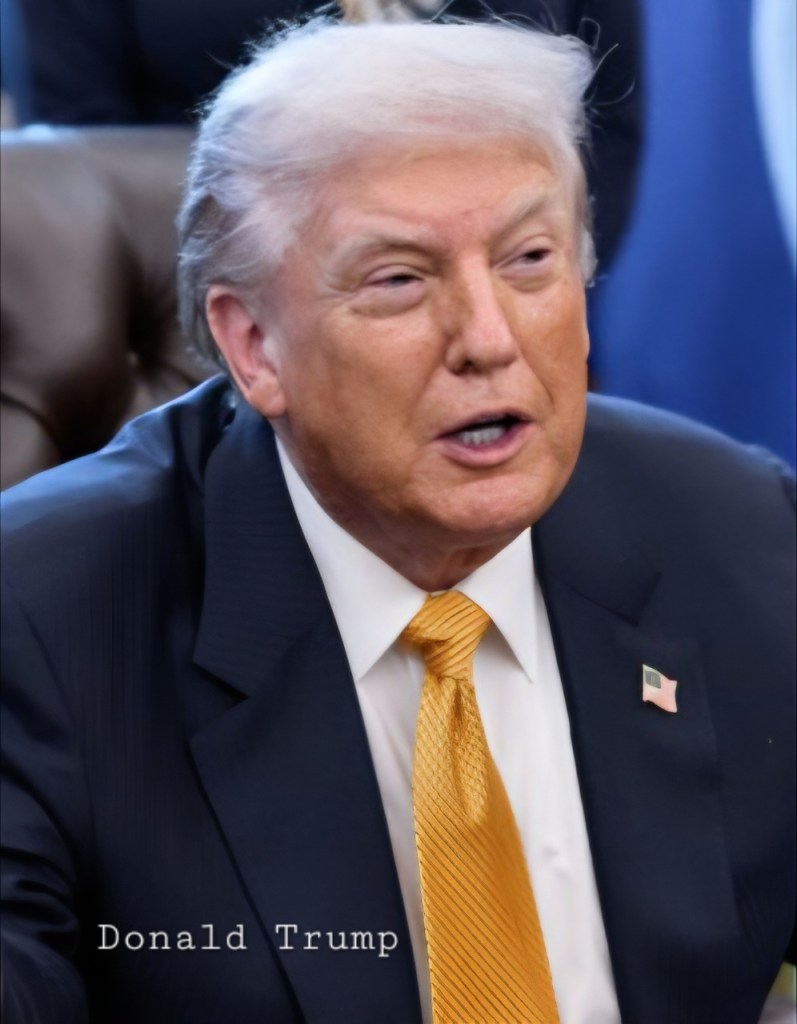
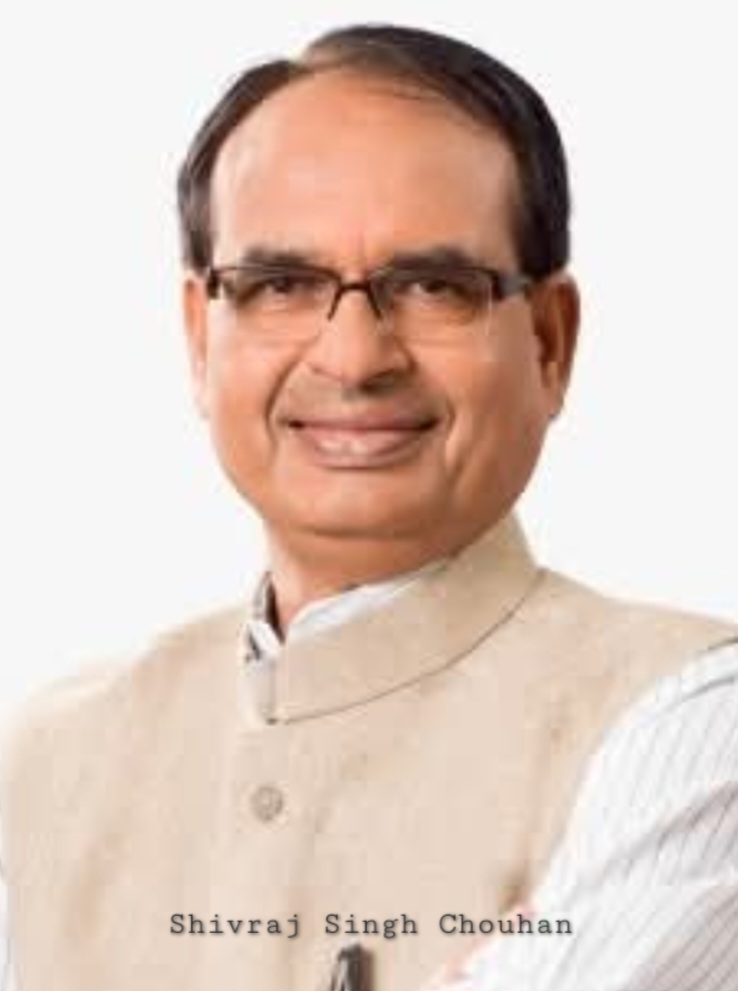
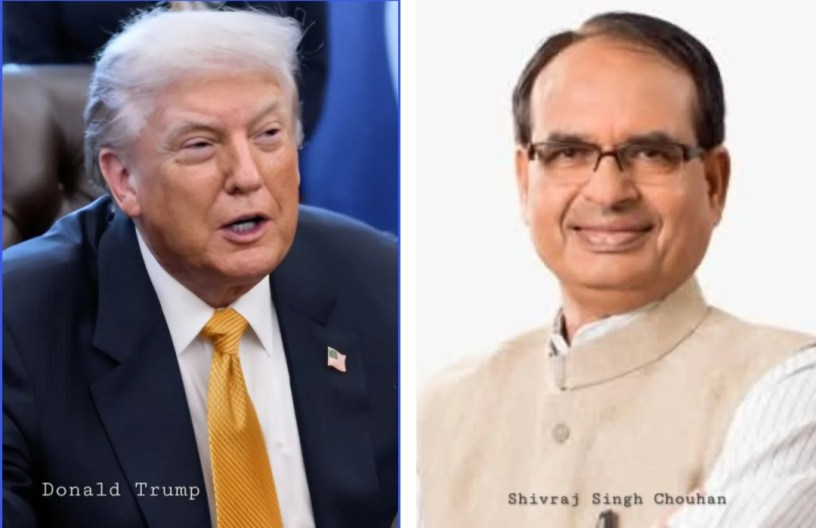
Public policy across the world is increasingly shaped by a shared realisation: if inequality is to be tackled meaningfully, intervention must begin early in life rather than after disadvantage has already calcified. A new initiative from the administration of US President Donald Trump — proposing a state-backed investment account for every newborn — invites comparison with historic social-welfare programmes elsewhere, notably Madhya Pradesh’s Ladli Laxmi Yojana, launched under Chief Minister Shivraj Singh Chouhan in 2007. When seen through both welfare logic and the political lens of how public policy is shaped, the parallels and divergences between these schemes reveal much about the evolving relationship between states and their citizens.
According to the recent news clipping from the United States, the Trump administration plans to establish a universal investment account for every child born in the country, credited at birth with an initial government contribution of about $1,000 (approx. ₹91,000). The account would be structured as a lifetime savings mechanism that parents, employers, states or other donors can augment, with the child entering adulthood with an asset base rather than financial fragility. The proposal, as reported, underscores a belief that early financial inclusion can reshape life chances and build long-term capacity rather than merely ameliorate short-term needs.
This universal child investment idea can be seen as part of a broader shift from traditional welfare — which often focuses on consumption support — to what social scientists term asset-based welfare. The state is no longer merely a safety net at times of crisis, but a foundational partner in building economic security from the earliest possible moment. Human development is being reimagined not as passive receipt of aid but as proactive empowerment of citizens whose economic prospects will determine collective wellbeing. The newborn becomes a future economic agent whose opportunities are expanded through early public investment.
In India’s central state of Madhya Pradesh, the Ladli Laxmi Yojana — initiated in 2007 — embodied a strikingly similar ethos even though it targeted a specific demographic: the girl child. The scheme pledged government assurance of ₹1,43,000 in the name of each eligible girl at birth, with a lump-sum payment of ₹1,00,000 on reaching age 21, contingent on completing secondary education and not marrying before 18. The policy was designed to address the deeply entrenched social disadvantage of girls, using conditional cash commitment as an incentive to promote education, delay marriage and shift societal valuations of girl children.
Seen from a social-welfare perspective, the strongest similarity between the US proposal and Madhya Pradesh’s Ladli Laxmi Yojana lies in their shared belief that the state must act at the very start of life to shape future prospects. Both programmes acknowledge that by the time young adults begin their productive lives, most socioeconomic trajectories are already determined by circumstances of birth. Early financial policy intervention — whether universal or targeted — attempts to correct this by providing a platform on which the next generation can build. In both cases, the intent is to reduce the structural barriers that consign segments of society to persistent disadvantage.
However, beyond these welfare logics, it is crucial to situate such policy innovations within the political currents that animate them. In a 2014 essay titled “Two Isms of Politics Eating into the Vitals of Economic Growth in India,” the politics of policy-making itself was critically examined, arguing that contemporary Indian governance is shaped by neopatrimonialism and clientelism — political dynamics where parties use state resources not merely to govern, but to pay supporters and cement power. That piece, published on This Is News, asserts that successive political formations in India, including Congress leadership, had borrowed the Hugo Chávez model of populist politics, adopting cash transfer policies from other countries without fully accounting for long-term economic consequences. (This is News)
The Venezuelan example is instructive. Under President Hugo Chávez’s Bolivarian Revolution, a suite of expansive social programmes — known as the Missões Bolivarianas — were introduced to embed state welfare deeply into social life, providing direct cash and services to marginalised groups, including children. One such initiative offered regular cash transfers to poor Venezuelan children, reflecting a broader philosophy of direct redistribution as a means of political and social inclusion.
Critically, the 2014 critique posited that Indian politicians emulated such populist cash-transfer models — not purely to empower citizens but to build political constituencies, exemplifying how political isms can shape welfare policy in ways that prioritise short-term electoral gain over sustainable economic growth. This critique resonates with observers who argue that when welfare becomes entangled with political patronage, it risks incentivising dependency rather than capability, and perpetuating cycles of political loyalty that eclipse developmental imperatives. (This is News)
When viewed in this holistic light, the Trump child investment proposal and Madhya Pradesh’s Ladli Laxmi Yojana can both be read as part of a global conversation about the role of the state in reducing inequality and redistributing opportunity. Yet they also sit within political economies that shape how and why such policies are adopted. Whether in Bhopal or Washington, the use of state financial instruments to influence life chances reflects deeper debates about citizenship, economics, and power.
Ultimately, the meaningful parallel between these health-poverty-reducing programmes is not merely operational design, but their attempt to embed asset building and inter-generational equity at the heart of public policy. And yet, the political framing of such initiatives — whether rooted in genuine welfare reform or in the logics of electoral politics — will always determine whether they lift societies over the long term, or merely redistribute support in ways that perpetuate political dependency.
 This is News