
Lalit Shastri

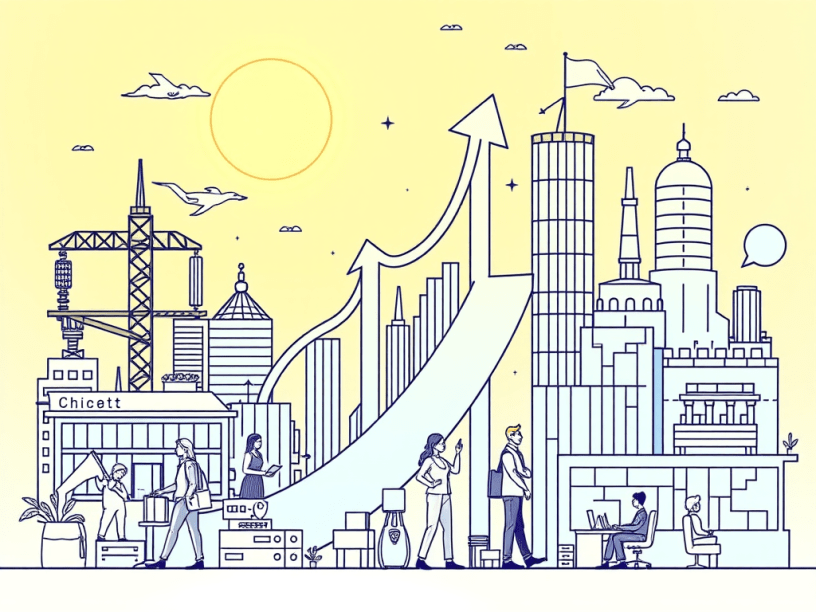
The Union Budget 2025-26 introduces a transformative tax reform by increasing the personal income tax exemption threshold to ₹12 lakh per annum, benefiting the middle class significantly by enhancing disposable income and purchasing power. This fiscal shift is expected to stimulate savings and investments, strengthen the financial sector, and boost consumer spending, ultimately leading to increased economic activity and job creation. The budget marks a transition from a state-controlled welfare model to a people-driven growth strategy, promoting self-reliance and entrepreneurship while allowing for the continued funding of essential social services through a more prosperous economy. This pivotal change positions India towards achieving its goal of becoming a $5 trillion economy, emphasizing private sector participation and individual initiative as key drivers of future growth.
The Union Budget 2025-26 has ushered in a landmark reform that could redefine India’s economic trajectory. Among its most significant provisions is the increase in the personal income tax exemption threshold to ₹12 lakh per annum, with a standard deduction of ₹75,000, effectively extending the exemption limit to ₹12.75 lakh for salaried individuals. This bold fiscal move is set to enhance the disposable income of a vast section of the middle class, fueling consumption, investment, and economic expansion. The implications of this reform go beyond individual financial relief—it signals a transition from a state-controlled welfare model to a people-driven growth and development paradigm.
The Tax Reform: A Game-Changer for the Middle Class
The middle class has long been regarded as the backbone of India’s economy, contributing significantly to both demand and savings. The decision to raise the income tax exemption limit is a direct stimulus to this segment, effectively increasing their purchasing power and investment potential.
For decades, middle-class taxpayers have carried the burden of direct taxation while also being the primary consumers of goods and services that drive industrial and service-sector growth. With the exemption now raised to ₹12 lakh, a considerable proportion of salaried professionals and self-employed individuals will find themselves free from the burden of direct taxation. This translates into enhanced liquidity at the household level, allowing for better financial planning, increased savings, and greater discretionary spending.
For instance, an IT professional earning ₹11.5 lakh annually will now have additional disposable income of approximately ₹1.3 lakh per year, which could be redirected towards investments in mutual funds or used for home loan repayments. Similarly, a self-employed individual earning ₹10 lakh annually will no longer need to pay direct taxes, freeing up more capital for business expansion or higher consumer spending. A teacher earning ₹9.5 lakh per year could now afford to invest in better educational resources for their children, while a mid-level manager in the retail sector could redirect tax savings into home renovation or travel expenditures, thereby benefiting secondary industries.
Increased Savings and Investment: Strengthening Economic Foundations
Higher disposable income naturally leads to an increase in household savings. The Indian middle class, traditionally conservative in financial behavior, is likely to channel these additional funds into various savings and investment instruments, including fixed deposits, mutual funds, stock markets, and real estate.
Boosting Infrastructure Growth
Increased savings often translate into higher capital inflows into banks and financial institutions, which, in turn, provide funding for infrastructure development. According to the Economic Survey 2025, a 10% increase in household savings could contribute nearly ₹3 lakh crore in additional liquidity to the banking system, which can be redirected into infrastructure projects such as roads, highways, smart cities, and digital connectivity.
Additionally, Finance Minister Nirmala Sharma stated in her budget speech, “This reform empowers our citizens by enabling them to invest in the future, whether through education, home ownership, or entrepreneurship.” — Finance Minister Nirmala Sharma, Union Budget 2025 Speech.
Stimulating the Financial Sector
A rise in savings and investment will strengthen the financial sector, leading to better liquidity in banks and financial institutions. This will enhance their ability to offer credit to businesses, entrepreneurs, and start-ups, fostering a more robust economic ecosystem.
Consumption Growth: The Demand-Supply Chain Effect
With greater financial flexibility, the middle class is likely to increase spending on consumer goods, electronics, automobiles, housing, healthcare, and education. This rise in demand will encourage companies to expand production, creating a positive ripple effect throughout the supply chain.
Boost to the Manufacturing and Services Sector
The increased consumer spending will directly benefit India’s manufacturing and services industries. According to a recent study by the Centre for Economic Research, an additional ₹2.5 lakh crore in consumer spending is expected as a result of this tax reform. Companies will scale up operations to meet heightened demand, resulting in greater employment opportunities and further income generation.
For example, the automobile sector, which had experienced sluggish growth in the past two years, is expected to see a 12% increase in car sales in 2025-26, thanks to greater affordability for middle-class buyers. Consumer electronics brands are also anticipating double-digit growth in sales, particularly in smartphones and home appliances.
Reviving the Housing Market
The real estate sector, which had been struggling in recent years, is poised for a revival. With more disposable income and potential tax benefits on home loans, the middle class will be more inclined toward home ownership, thereby stimulating construction activity and boosting employment in allied industries such as cement, steel, and interior furnishings.
Growth in MSMEs and Start-Ups
Micro, Small, and Medium Enterprises (MSMEs), which contribute significantly to employment generation, will also benefit from the increased purchasing power of consumers. Additionally, with more capital available for investment, aspiring entrepreneurs will find it easier to secure funding for new business ventures, fostering innovation and economic diversification.
Challenges and Risks: A Deeper Analysis
While this tax reform is expected to deliver significant economic benefits, it also presents certain challenges.
Revenue Shortfall and Fiscal Deficit
One immediate concern is the potential shortfall in direct tax revenue, which could impact the government’s ability to fund welfare programs and public services. The Ministry of Finance estimates a revenue loss of approximately ₹2.8 lakh crore due to this tax exemption. However, this shortfall is expected to be offset by higher indirect tax collections and increased economic activity.
Inflationary Pressures
Increased disposable income could lead to higher consumer demand, potentially driving up inflation. If inflation rises too quickly, the benefits of increased income could be eroded by higher prices for essential goods. To counteract this, the RBI may need to adjust interest rates strategically to balance economic growth with price stability.
Ensuring Equitable Growth
While the middle class stands to benefit significantly, it is crucial to ensure that lower-income groups and rural populations also gain from this economic shift. Targeted policies and social security measures will be needed to bridge economic disparities and ensure inclusive growth. To address this, policymakers are considering special subsidies for low-income households and increased investment in rural employment programs.
A Defining Moment for India’s Economic Future
The Union Budget 2025-26 has laid the foundation for a transformative economic journey. By raising the personal income tax exemption limit to ₹12 lakh, the government has empowered millions of Indians with greater financial freedom, fostering increased savings, consumption, and investment.
As India embraces this new economic paradigm, it stands at the threshold of a more dynamic, self-reliant, and globally competitive future. The budget has paved the way—how India walks this path will determine its success in shaping a robust and resilient economy in the years to come.
