
Lalit Shastri
Madhya Pradesh Congress unit president and former Chief Minister Kamal Nath announced at a special event organised at the party headquarters in Bhopal on Wednesday, 9 August, to mark the World Tribal Day (International Day of the World’s Indigenous Peoples) that the Tribals would find themselves most secure after the Congress wins the coming general election to the State Assembly.
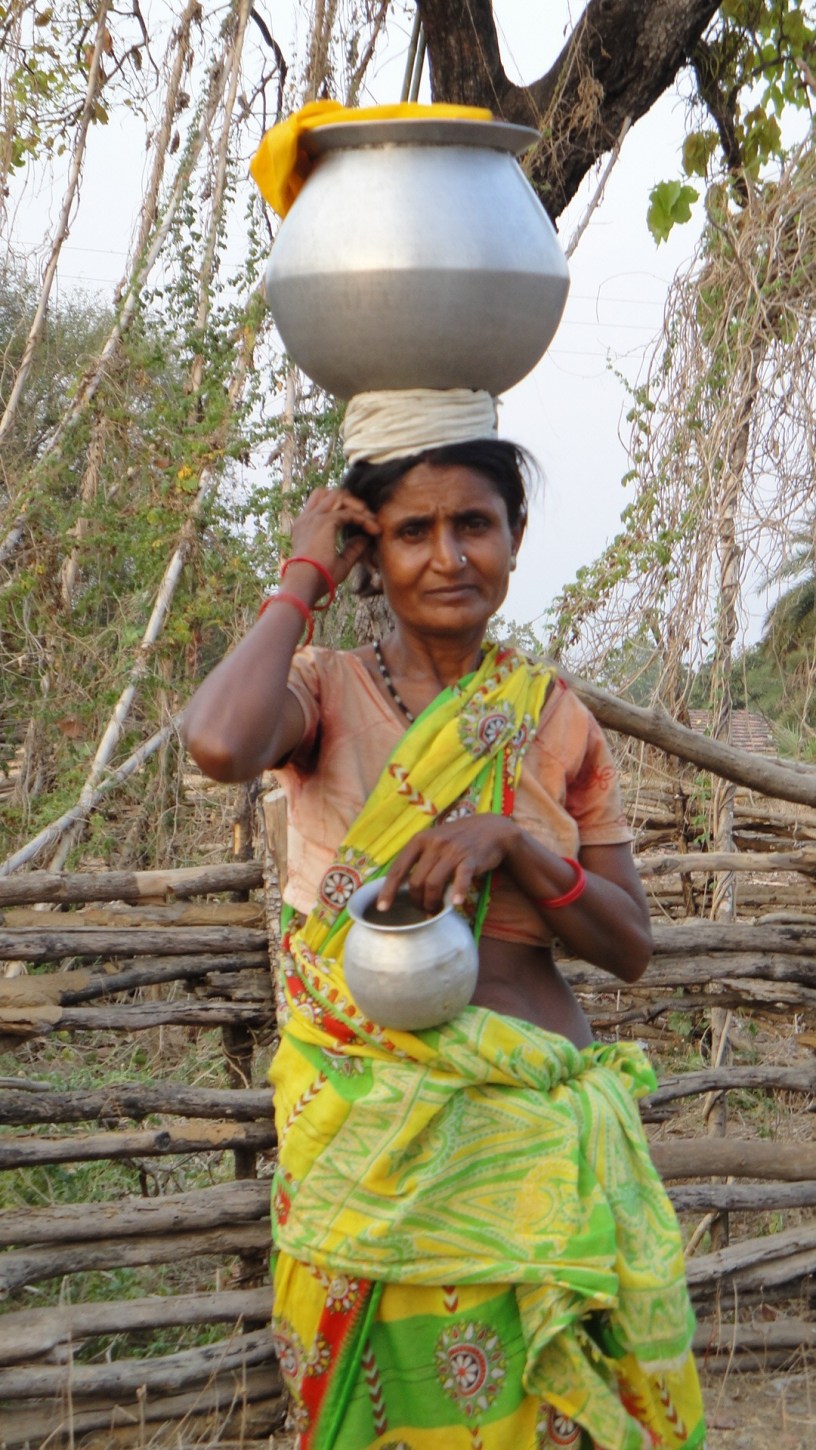
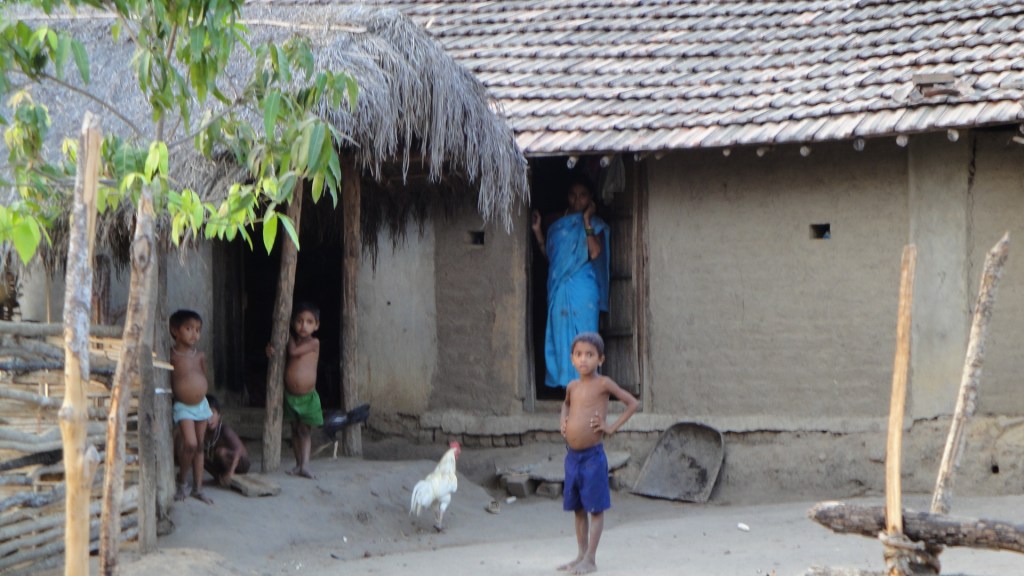
It is deeply concerning to suggest that the safety and well being of the tribals or those from the scheduled tribes would be guaranteed like never before solely by the election of Congress or Kamal Nath to power in Madhya Pradesh. Historically, the tribal population has suffered centuries of mistreatment and marginalization, resulting in systemic inequalities that persist even 76 years after Independence despite the special provision for the administration of Scheduled Areas and reservation or the quota system for jobs, education and promotion in government services guaranteed by the Constitution.
While a change in leadership can certainly influence policies and attitudes towards marginalized communities, it is essential to recognize that the challenges faced by the tribals cannot be fully addressed by a single political figure. Achieving true safety and equality for these communities requires a comprehensive and sustained effort encompassing legislative reforms, cultural sensitivity, and genuine engagement with their unique needs and perspectives.
Furthermore, the idea of safety extends beyond physical security to encompass cultural preservation, economic opportunities, and social integration. Addressing these multifaceted issues necessitates a holistic approach that involves collaboration between government bodies, tribal leaders, civil society, and grassroots initiatives to ensure all progress and well being of the tribals. It is a tragedy that in large parts of what are scheduled areas we have a situation where, even after decades of welfare and planned development under successive governments, the scheduled tribes are suffering due to malnutrition, maternal and infant mortality, severe health issues, lack of employment avenues, dearth of standardised and universal education and skill development facilities and other basic amenities.
In conclusion, the safety and well-being of tribals should not be reduced to a simplistic promise based on a general election. It demands a commitment to long-term systemic changes, respect for tribal rights, and a genuine willingness to rectify injustices in order to create a more inclusive and equitable broader society.
