
Lalit Shastri
In recent years, the phenomenon of corruption, crony capitalism, and the erosion of democratic values have raised concerns about the integrity of political systems in India. This issue is exacerbated by the rise of patrimonialism, wherein political parties mimic the Hugo Chávez model to directly transfer funds to the bank accounts of impoverished individuals, while simultaneously catering to the financial interests of ruling party members. This strategy fosters a concept known as neo-clientelism, wherein party workers are treated as clients with their monetary needs met in exchange for loyalty. Furthermore, the manipulation of law and order, along with the strategic control of government employee transfers, perpetuates political supremacy and dictatorship at the grassroots level.
This troubling trend has spread across the country cutting across party lines. One glaring example of this trend can be observed in the state of Madhya Pradesh going to polls this year. The ruling party in this region exemplifies the detrimental state of contemporary politics. Its voter base largely consists of individuals dependent on welfare handouts, as well as those who are easily swayed due to their limited access to accurate information. The exploitation of these polarized masses contributes to the perpetuation of a power structure that prioritizes party interests over the welfare of the general populace.
The Hugo Chávez model***, infamous for its direct cash transfers to the poor, is being emulated by certain political parties to consolidate their voter base. While on the surface, these transfers might appear as benevolent efforts to alleviate poverty, they often serve as instruments for political manipulation. By fostering a culture of dependency on these handouts, parties can secure votes from segments of the population vulnerable to coercion or misinformation.
Moreover, the practice of neo-clientelism has emerged as a sinister tool to maintain loyalty within the party ranks. Treating party workers as clients, and fulfilling their monetary needs, ensures their allegiance to the ruling party. This transforms the party into a patronage machine, where access to resources is tied to political servitude. This further entrenches a culture of corruption, as these party workers are incentivized to facilitate and even participate in unethical activities to secure their financial benefits.
The manipulation of law and order, along with strategic government employee transfers, serves as another critical facet of this issue. By bending or disregarding legal procedures, ruling parties can suppress opposition voices and maintain control over the political landscape. Additionally, controlling government employee transfers enables the strategic placement of loyalists in key positions, thereby reinforcing the party’s influence over administrative functions at all levels. This tactic not only ensures a compliant bureaucracy but also provides a means to exert dominance over the grassroots political machinery.
In the case of Madhya Pradesh, the state government’s reliance on a vote bank comprised of the poorly informed and economically disadvantaged demonstrates the extent to which politics has devolved. Such a strategy undermines the principles of democracy and feeds into the cycle of corruption and patronage. The state’s political machinery has been honed to prioritize short-term gains over long-term development and societal well-being.
To combat this alarming trend, there is a pressing need for comprehensive electoral and political reforms. Transparency and accountability mechanisms must be strengthened to curtail corrupt practices and foster a healthier political environment. Voter education programs can help empower citizens with accurate information, enabling them to make informed choices based on policies rather than manipulative tactics.
Furthermore, party structures should be reformed to prioritize meritocracy over patronage. Incentivizing party workers through channels that do not involve financial manipulation can help restore integrity to the political process. Implementing stringent regulations to prevent extra-procedural political intervention in government employee transfers is also crucial to maintaining a neutral and efficient bureaucracy.
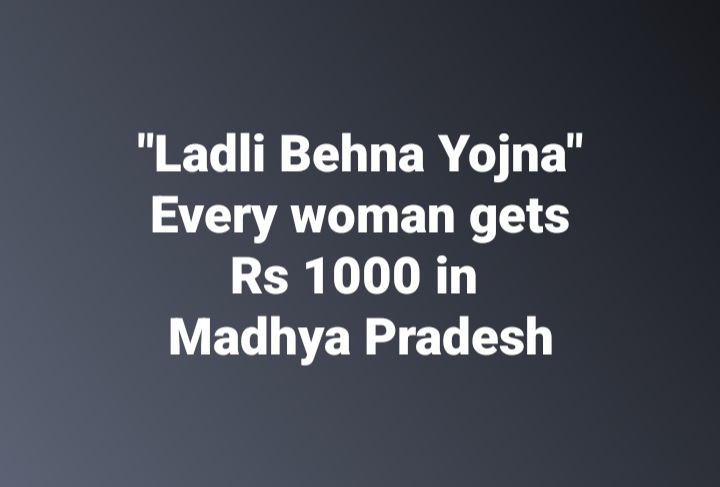
In conclusion, the spread of corruption, crony capitalism, and patrimonialism, along with the adoption of the Hugo Chávez model and the emergence of neo-clientelism, pose a grave threat to democratic governance. The situation in states like Madhya Pradesh, where Chief Minister Shivraj Singh Chouhan is announcing doles and freebies at the drop of the hat before the 2023 general election to the State Assembly and the leader of the main Opposion Congress, former Chief Minister Kamal Nath has chosen to follow the same path and up the ante in the politics of doles, underscores the urgent need for systemic reforms that restore the principles of democracy, transparency, and accountability. Only through a concerted effort to dismantle these detrimental practices and establish a culture of ethical politics can societies hope to reverse the erosion of democratic values and promote the welfare of their citizens.
***The main reasons for the fall of Hugo Chávez of Venezuela include economic mismanagement, heavy reliance on oil exports, corruption, political polarization, and erosion of democratic institutions. These factors contributed to a deteriorating economy, social unrest, and international isolation, ultimately leading to a loss of popular support and weakened governance.
