
Abhilash Khandekar
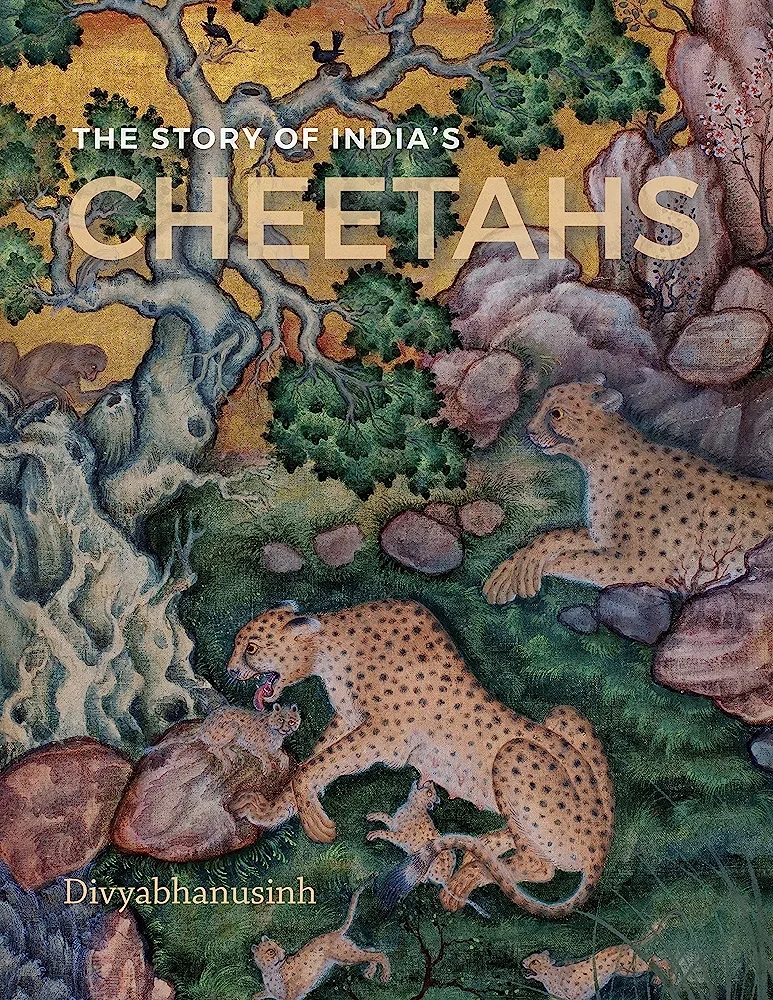
Author: Divyabhanusinh
Publishers: The Marg Foundation, Mumbai
Pages: 322
Price: 2,800.00
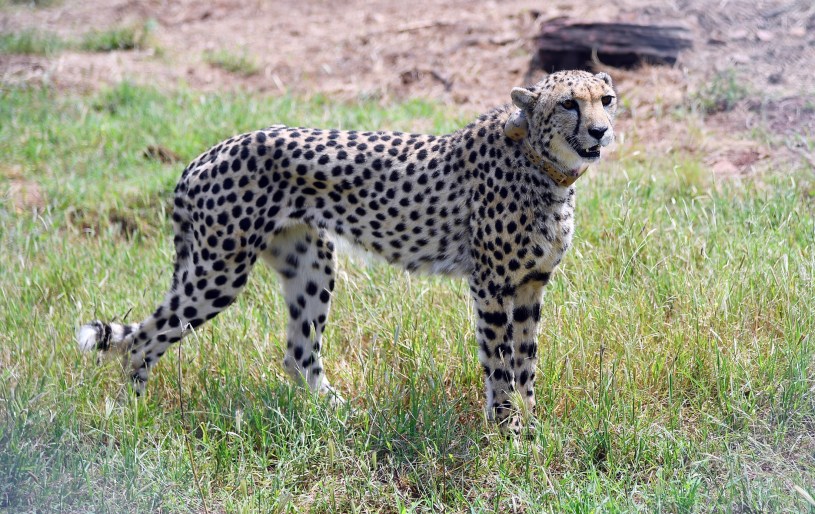
Wildlife lovers and others, all are interested more and more in cheetahs after they were re-introduced in India about 11 months ago.
But the Cheetahs have been in news for all the wrong reasons, of late. Last year a country which was celebrating their arrival in India after about seven odd decades, is now wondering what happened to the fastest animals that India imported from South Africa and Namibia as tragic deaths continue in Kuno National Park of MP. Already nine have perished and there is an intense debate among wildlifers how to prevent further deaths.
The spotted, beautiful animal had gone extinct from India many years ago but Divyabhanusinh, an avid wildlife expert, who has researched cheetahs as no one else, has excellently documented everything you wanted to know about them in this book.
This pictorial volume, a collector’s delight, is gifted to me by my dear friend, CEO of the WWF-India, Ravi Singh and thus the wildlife section of my personal library has enriched manifold so also my knowledge about them.
Before cheetah reintroduction programme was given the final nod by the Supreme Court four years ago, information—right or wrong—had started trickling in. India knows about tiger very well but little about cheetahs. Not many people know even today that the animal found in India was known as Asiatic Cheetah (Acinonyx jubatus) which ’resembled a hound and for a long time it was believed to be dog-cat, a connecting link between felids and canids’, says the author. Of course, the animals that have found a new home in India are South Africans and Namibians, a sub-species. Asian cheetahs are found only in Iran and very few individuals are left out there.
Divyabhanusinh (Chavda) had long ago earned a D.Litt on cheetah from Pune University after he had already written his first book: The End of Trail: The Cheetah in India in 1995.
This wonderfully illustrated book, released recently, has extremely rare pictures of the fastest mammal. He has sourced them from his personal contacts and they have added tremendous value to the treatise. I must say that the historical content and context, its brilliant analysis, the research and the knowledge about cheetah provided by the painstaking author is just unparalleled. Now that the cheetahs have arrived in India, this book is going to be of great help to wildlife experts, practitioners, nature lovers and others.
Author tells us that cheetahs roamed the grasslands and jungles of India and hunted smaller animals like blackbuck, chinkara and hare for many years. Giving cheetah-like animal’s history and informing his readers of what historians and travellers wrote centuries ago, Sinh says that way back in 1700 BCE, the Egyptians had tamed cheetahs and there are many other instances of the animal having found its places on coins, walls and ancient literature of many countries.
In India, the credit is to be given for following up on bringing cheetah over many years, to Dr MK Ranjitsinh, another Indian eminent wildlife expert. He fought the case in the Supreme Court also, Dr Sinh, a former prince of Wakaner royal state in Gujarat, not only included the already extinct animal in the Wildlife (Protection) Act 1972 (which he drafted) as a protected species, he had declared the Kuno jungles as a national park in 1981, being MP’s forest secretary.
Chavda documents almost all years of cheetah sightings in India before it went extinct in 1948-49 from Madhya Pradesh. Accordingly, the first two were spotted in Surat 1772 and then, as per the list in the book, they were later found in Calcutta, Mysore (Tipu Sultan had a few), Bangalore, Jalna, Solapur and Kolhapur (Mah), Agra, Rajkot, Bharatpur, Burhanpur, Seonee (Seoni), Alirajpur and Indore ( later four in MP around 1850) and so on.
What is amazing is that the author has gone very deep and has described cheetah training by the ex-royals for hunting and has revealed how much care the former kings and Maharajas used to take. The Maharajas used them as pets. The cheetah was trained to hunt an adult male antelope only; this was achieved by showing it only black male throughout its training period’. Once the animal hunted down the blackbuck, its throat slit by the trappers who would also cut the hind leg and chop it into pieces for cheetah to have ‘satisfaction’ of feasting the prey.
Maharajas used to have proper written manuals of hunting and author cites at many places, the exemplary Baroda Manual to tell the readers how the animals were tamed and trained. There are many more interesting findings in this tome and details of cheetah and the times they lived in India, went extinct and are now back in MP from where they had perished. By some records it is established that the last cheetah was seen in India as late as in 1972.
Abhilash Khandekar, the reviewer, is a senior evironment journalist of the country. He is also an author himself.
