

Lalit Shastri
There is something profoundly reassuring about a donkey.
It does not overstate its capacity. It does not aspire to carry more than its spine can bear. It does not confuse noise for relevance, or proximity for power. It simply shoulders its load and walks on—quietly, honestly, and without the need for applause.
In an age of performative geopolitics, that alone qualifies as wisdom.
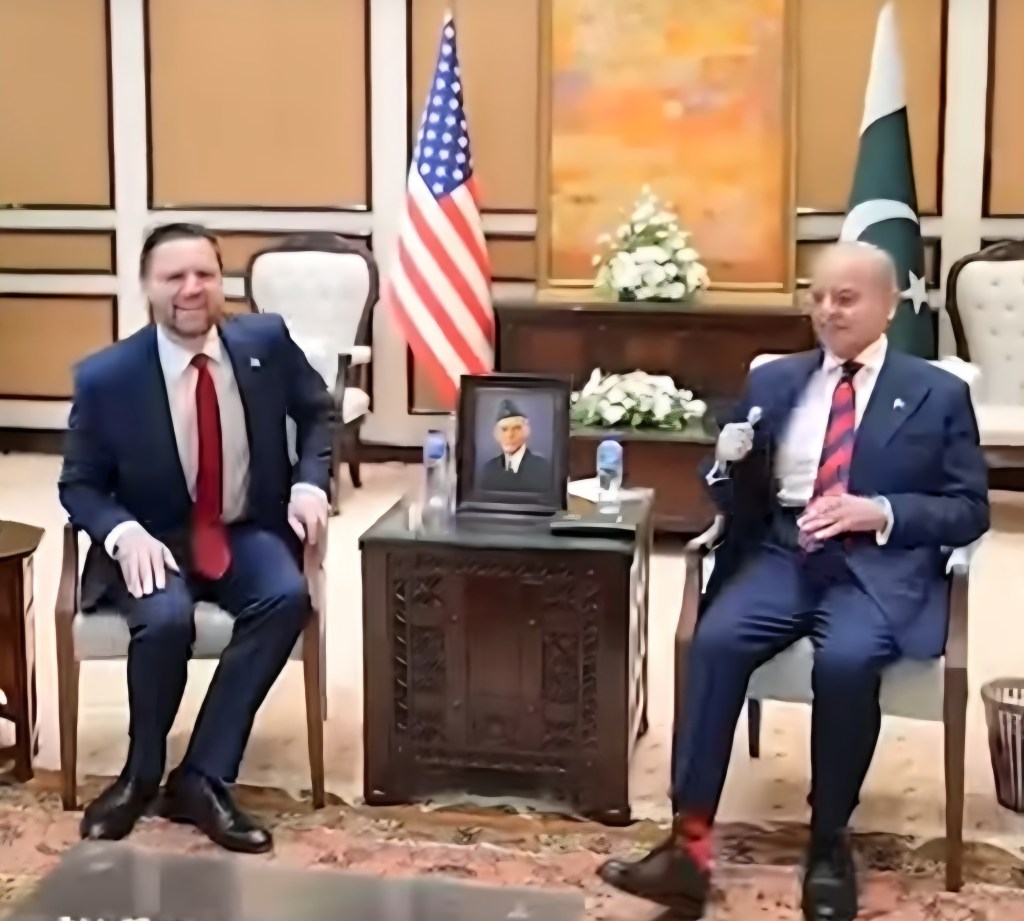
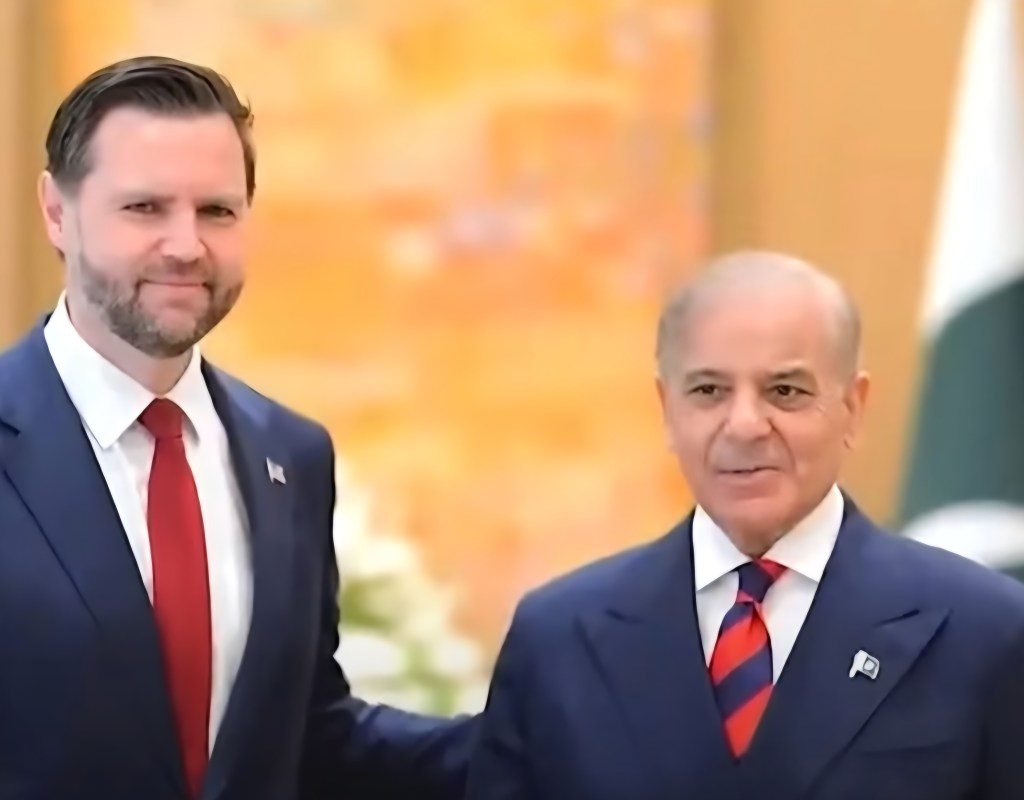
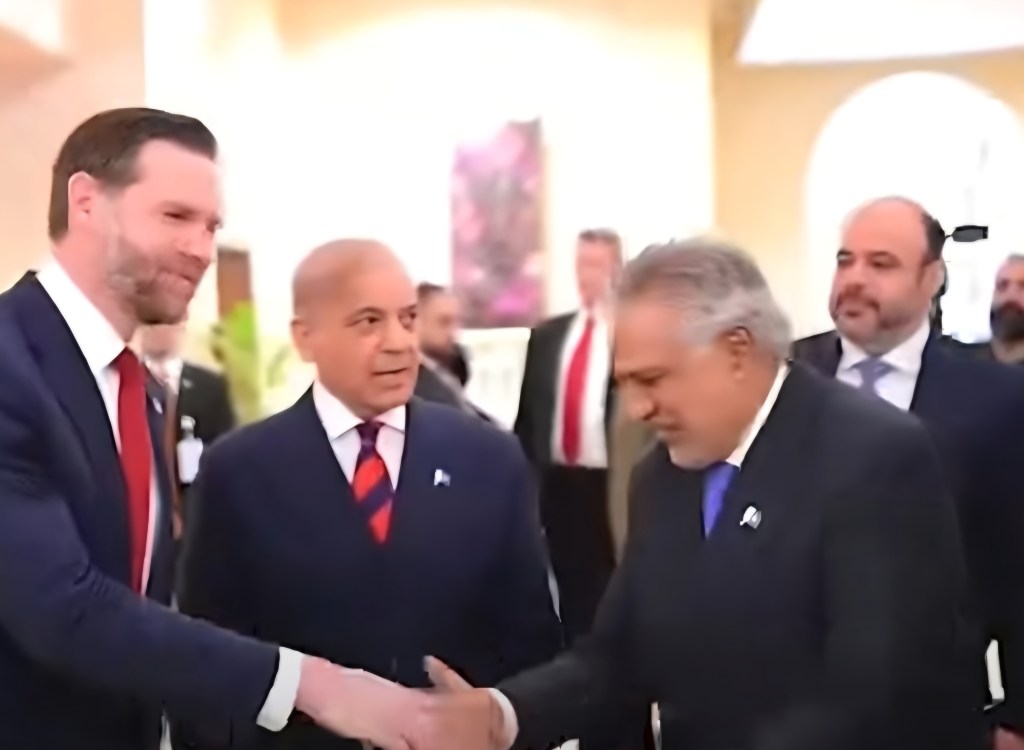
Which is why recent events on the diplomatic stage feel less like statecraft and more like theatre—an elaborate production mounted with great urgency, but very little credibility. Pakistan – a nation still wrestling with its own internal contradictions – suddenly appeared eager to mediate one of the world’s most complex rivalries.
The ambition was grand. The setting was dramatic. The outcome, however, was entirely predictable.
Because diplomacy is not an event—it is an ecosystem of trust.
And trust is not declared; it is accumulated.
You cannot curate credibility overnight. You cannot host relevance into existence. And you certainly cannot insert yourself into a volatile equation between two deeply distrustful powers and expect to emerge as the voice of balance.
Optics can trend for hours; credibility is tested over decades.
Yet, for a brief moment, the optics were impressive. Convoys moved. Statements were drafted. Familiar phrases—“constructive engagement,” “positive momentum”—floated generously through official corridors. The choreography was flawless. The narrative almost convincing.
Almost.
But substance has a way of exposing performance.
When the moment of reckoning arrived, nothing had changed. No breakthrough. No recalibration. No shift in the underlying tensions that define the conflict. Only a fleeting illusion—of importance, of influence, of centrality.
And that illusion dissolved as quickly as it was constructed.
The loudest applause often arrives before the final act—and fades the fastest.
What was equally revealing, however, was not just the theatre across the border—but the applause it briefly received from Modi baiters in India.
Sections of India’s habitual contrarian commentary class—ever eager to discover virtue in adversarial quarters—lost little time in celebrating the moment. Social media timelines lit up. Studio debates found new enthusiasm. A narrative was hastily assembled: that India’s diplomacy had been outpaced, that leadership had been outmanoeuvred, that a new “regional pivot” was underway.
It was, in hindsight, a familiar reflex.
The impulse to diminish one’s own institutions by prematurely elevating another’s optics is not new. It thrives on immediacy, not insight. It confuses movement for momentum, and announcements for achievement.
But geopolitics is rarely so forgiving.
The same voices that rushed to anoint a diplomatic breakthrough were left, hours later, with an awkward silence. Because when the performance ended, there was nothing to show—no agreement, no framework, no shift in equations.
Only the echo of their own haste.
From an Indian standpoint, this episode underscores a deeper concern. Strategic assessment cannot be outsourced to sentiment, nor can national interest be evaluated through the lens of ideological opposition. To critique leadership is the right of a democracy; to abandon discernment in the process is its risk.
For credibility, like diplomacy, demands patience.
And patience, unlike spectacle, cannot be manufactured overnight.
In geopolitics, announcements are easy. Outcomes are rare.
But geopolitics, like gravity, is indifferent to performance.
It responds to weight.
Strategic weight. Economic weight. Institutional stability. Diplomatic consistency. These are not props; they are prerequisites. Without them, even the most well-lit stage cannot produce a convincing act.
And this is where the donkey returns—not as an insult, but as a contrast.
Because the donkey, in its quiet humility, understands limits. It does not attempt to carry what it cannot. It does not seek validation through spectacle. It does not confuse endurance with influence.
There is, in that simplicity, a lesson that many nations—and commentators—seem to have forgotten.
In today’s fractured world, mediation is not about inserting oneself into a conflict. It is about being invited into it. And invitations are not extended on the basis of enthusiasm, but on the strength of credibility.
Until that distinction is understood, such episodes will continue to unfold—dramatic, well-publicized, and ultimately inconsequential.
The stage will be set. The actors will arrive. The scripts will be rehearsed.
And the outcome will remain the same.
Because in geopolitics, as in life, the burden is not carried by those who claim strength.
