
Uday kumar Varma
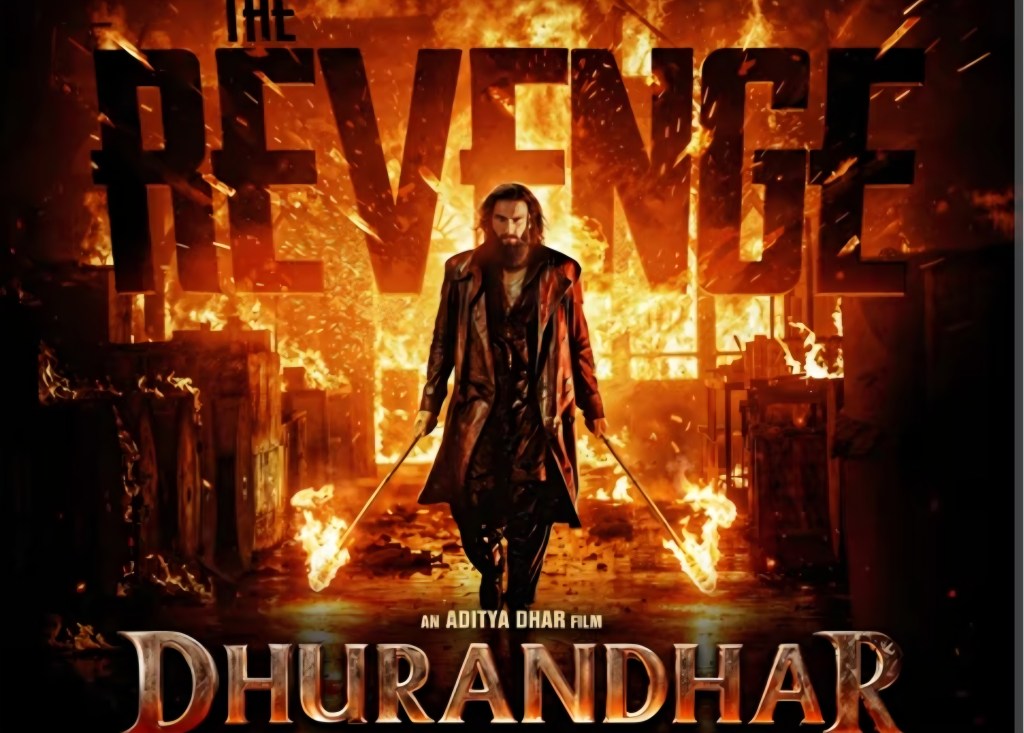
Dhurandhar does not merely tell a story—it transforms collective memory into catharsis, where history is not mourned but imaginatively avenged.
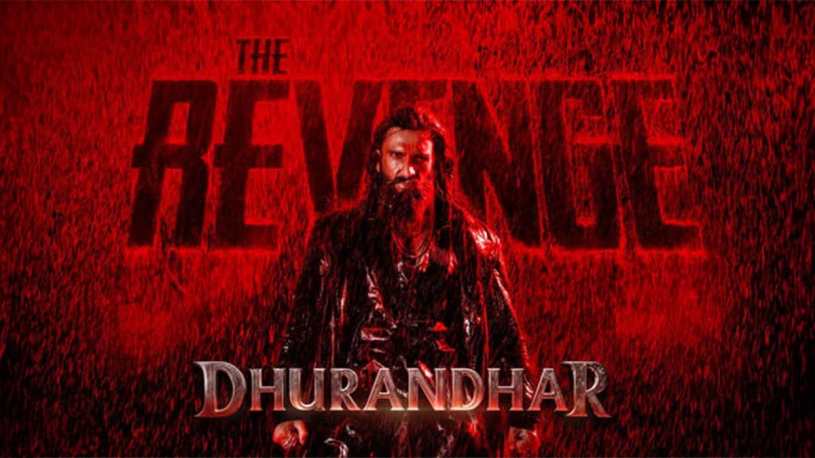
There are films one watches, and there are films one experiences—as surge, as spectacle, as a kind of collective pulse. Dhurandhar: The Revenge belongs emphatically to the latter. It does not unfold; it detonates.
To borrow the vivid phrasing of The Economist, it feels like an impossible cocktail —John Wick’s choreographed brutality, Kill Bill’s stylised vengeance, and Inglourious Basterds’ audacity with history. Yet such comparisons, though clever, remain external. The true energy of Dhurandhar rises from within—from a deep reservoir of memory, grievance, pride, and an unspoken longing for closure.
For what the film offers is not merely violence, but vindication.
Its narrative scaffolding is spare: an agent, a mission, a reckoning. At its core lies a simple, almost primal narrative: wrongs remembered, retribution executed. The film revisits real wounds—the hijacking of IC-814, the attack on Parliament, the trauma of Mumbai 2008—and offers not reportage but reimagination. But beneath this simplicity lies a powerful emotional engine. In this reimagined world, restraint gives way to retaliation, ambiguity to certainty, and grief to a kind of muscular closure.
Propaganda seeks to persuade; Dhurandhar affirms—giving cinematic shape to a mood that already pulses through its audience.
The humiliations it invokes—moments etched into public consciousness—are not revisited for reflection but for reversal. The past is not mourned; it is avenged. And in that act of imaginative redress, the film achieves something rare: it converts history into catharsis.
One senses, in theatre halls ringing with applause, that audiences are not responding only to spectacle, however intoxicating it may be. They are responding to a feeling—the sudden, almost disorienting experience of seeing power asserted without hesitation, consequence, or apology. For decades, Indian cinema often sanctified restraint; Dhurandhar sanctifies resolve.
It is here that the question of propaganda arises, inevitably circling the figure of Narendra Modi. The film’s evocation of a decisive, unflinching leadership—its impatience with diffidence—echoes a political idiom that has become deeply familiar. And yet, to reduce the film to mere political messaging is to misread its pulse.
Propaganda influences: Dhurandhar affirms
It does not attempt to persuade an unwilling audience of a new truth. Rather, it reflects amplifies even—the emotional climate that already exists. The cheers that greet images of leadership are not coerced responses; they are recognitions. The film succeeds not because it tells viewers what to think, but because it gives cinematic form to what many already feel.
This is a crucial distinction, and one that explains its staggering success.
Indeed, the trajectory of mainstream Hindi cinema in recent years reveals a gradual but unmistakable shift. Films such as The Kashmir Files and The Kerala Story began to foreground themes of historical grievance and cultural assertion. Yet Dhurandhar moves beyond grievance. It is not content with recounting injury; it insists on agency.
Its world is one where action replaces anguish, and destiny is seized rather than suffered.
Of course, such a vision comes with its own aesthetic and moral simplifications. Complexity yields to clarity, ambiguity to certainty. The world of Dhurandhar is sharply etched in binaries—hero and enemy, justice and retribution. But this, too, is part of its appeal. In an age of overwhelming nuance, the film offers the seduction of decisiveness.
And perhaps that is its deepest achievement.
For beneath the gunfire, the relentless pacing, the almost operatic violence, there lies something quieter but more enduring: a reimagining of self. Not a tentative, questioning self, but one that is assured, assertive, and unafraid of consequence. Whether one agrees with this vision or not, it is difficult to deny its power.
In the end, Dhurandhar is less a film than a mirror—held up to a society in transition.What it reflects is not merely a taste for spectacle, but a hunger for agency, for closure, for a narrative in which the arc bends not toward patience, but toward power. It has a more uplifting message, depicting an India that finally controls its own destiny.
In the end, the film’s triumph is not that it argues a case, but that it embodies a mood. It is less a piece of persuasion than a performance of belief—one that audiences, in packed theatres across the country, seem more than willing to applaud.
Its applause, therefore, feels distinctly different. And whether it is for the film, the feeling it evokes, or the world it imagines, or all of it, is a question that lingers long after the final, thunderous frame fades to black.
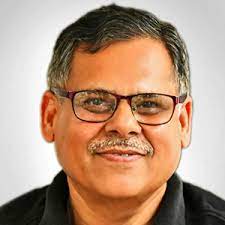
The author, Uday Kumar Varma, a 1976 batch IAS officer of Madhya Pradesh cadre, was Secretary Information & Broadcasting, member of the Central Administrative Tribunal (CAT) and member of the Broadcasting Content Complaints Council, a self-regulatory body for general entertainment channels. As Secretary I&B, he spearh
