

By Dr. G. Shreekumar Menon
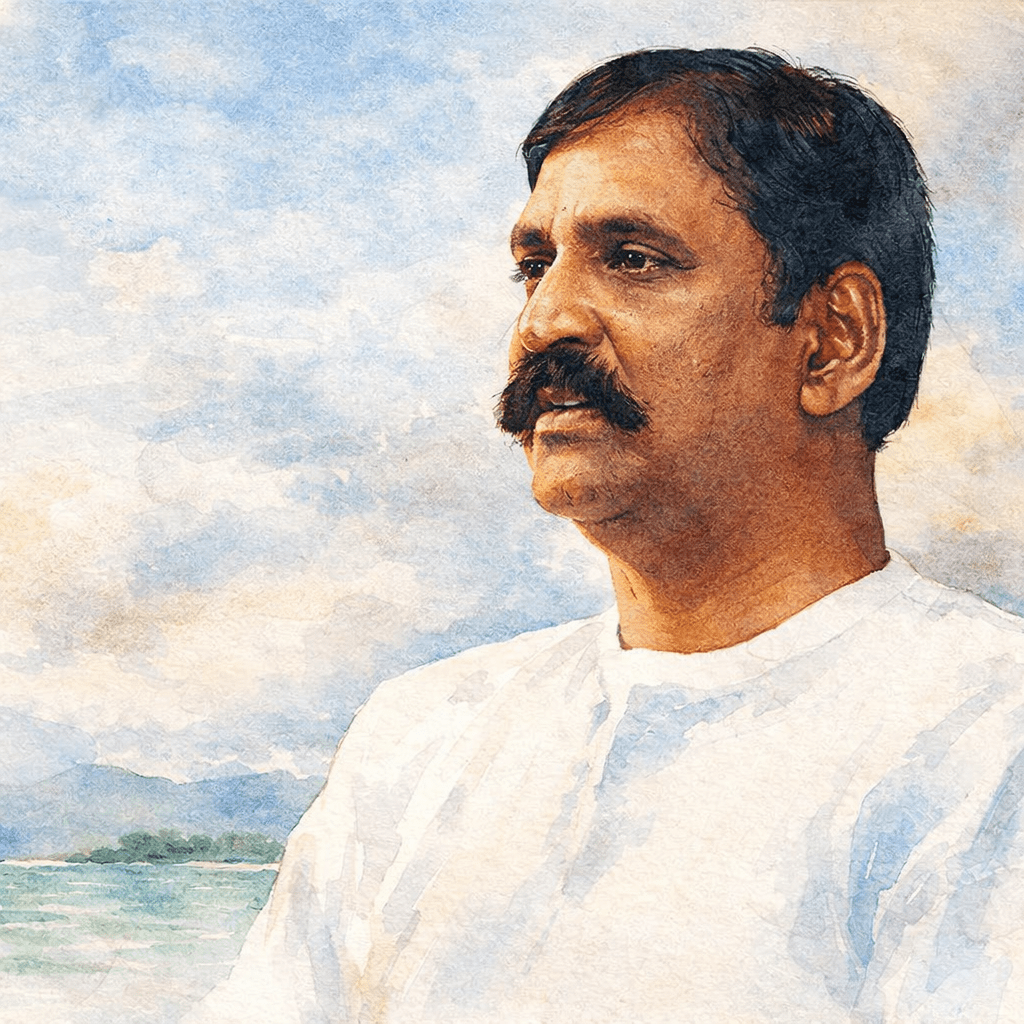
Historic Honour for R. Vairamuthu
Renowned Tamil poet and lyricist R. Vairamuthu has been awarded the 60th Jnanpith Award (2025), India’s highest literary honour. With this recognition, he becomes the third Tamil writer to receive the award and the first to be honoured primarily for Tamil poetry. The other two Tamil writers who received the Jnanpith Award are Akilan (1975) and D. Jayakanthan (2002).
A Literary Giant with an Unmatched Legacy
Vairamuthu’s contribution to literature and cinema is both vast and enduring. With over 37 books and more than 8,000 film songs to his credit, his lyrical genius has shaped generations of Tamil cultural expression. A seven-time National Film Award winner for Best Lyrics, he has also been honoured with the Sahitya Akademi Award, Padma Shri, and Padma Bhushan.
An artist of such magnitude is being judged not for his work, but for allegations yet to be proven.
For many, this recognition is not just deserved—it is long overdue.
Controversy Erupts Amid #MeToo Allegations
Yet, the honour has ignited a storm. Allegations of sexual harassment raised during the #MeToo movement have resurfaced, prompting protests from sections of civil society.
A collective of Tamil creators, readers, and activists—backed by over 230 signatories—has called for the award to be withdrawn, arguing that honouring Vairamuthu risks undermining the moral credibility of the award and the larger cause of women’s rights.
Debate Over Ethics vs Artistic Merit
This controversy has quickly evolved into a larger ideological battle. Should artistic excellence stand apart from personal allegations? Or must public recognition reflect moral scrutiny as well?
Supporters argue that the Jnanpith Award is not a certificate of character, but a recognition of literary brilliance. Critics insist that public honour cannot be divorced from personal accountability.
Are we recognising the creator—or certifying the individual?
Across creative industries—from Hollywood to regional cinema—this dilemma is neither new nor easily resolved.
Understanding the Legal Perspective on Harassment
India’s legal framework has increasingly shifted towards prioritising the victim’s perception in cases of alleged harassment. This principle was underscored in Dr Punita K. Sodhi v. Union of India (2010 SCC OnLine Del 3087).
In simple terms, if conduct is perceived as unwelcome or uncomfortable, it may constitute grounds for complaint—regardless of intent. In Vairamuthu’s case, the allegations pertain to alleged suggestive advances towards aspiring singers—claims that remain untested in a court of law.
Inside the Jnanpith Award Selection Process
The Jnanpith Award follows a rigorous and multi-layered selection process. A three-member advisory committee for each language recommends candidates, whose names are then evaluated by a distinguished selection board of 7–11 eminent members.
That Vairamuthu emerged from this process suggests that the jury may have weighed both merit and controversy, ultimately prioritising literary contribution.
Art Beyond the Artist: A Larger Philosophical Question
History offers countless examples of artists whose personal lives were fraught with controversy, yet whose works have stood the test of time.
The argument for separating art from the artist rests on a simple premise: creative expression transcends individual flaws. Moral standards evolve, differ across societies, and resist universal definition.
To impose a rigid moral litmus test on art, many argue, risks stifling creative freedom itself.
Should Allegations Override Literary Recognition?
At the heart of the debate lies a fundamental question of justice and precedent. Should allegations—without judicial confirmation—be sufficient to deny recognition? Or should due process remain the cornerstone of such decisions?
“To deny recognition on unproven claims is to risk replacing justice with perception.”
The government now finds itself navigating a delicate balance between public sentiment and institutional integrity.
For admirers of Vairamuthu, however, the conclusion is unequivocal. He has been honoured for his literary genius—and in their eyes, remains ‘oru deivam thantha poove’—a divine gift to poetry.
The author Dr G Shreekumar Menon, IRS (Rtd) Ph. D (Narcotics), is
- Former Director General National Academy of Customs Indirect Taxes and Narcotics, and Multi-Disciplinary School of Economic Intelligence India
- Fellow, James Martin Centre for Non-Proliferation Studies, USA.
- Fellow, Centre for International Trade & Security, University of Georgia, USA
- Public Administration, Maxwell School of Public Administration, Syracuse University, U.S.A.
- AOTS Scholar, Japan
Dr G Shreekumar Menon can be contacted at shreemenon48@gmail.com
