

Beyond Symbolism: India Reads the Climate Script Differently
Uday Kumar Varma
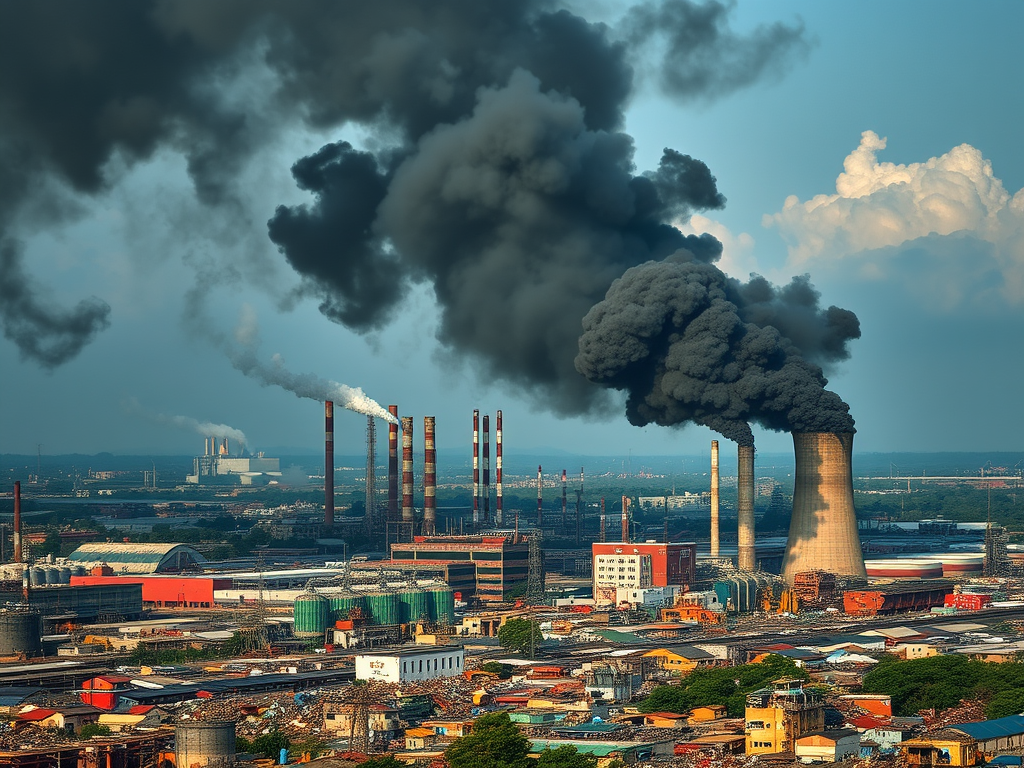
COP30 has concluded, but the conversations it provoked continue to echo through diplomatic channels, civil society networks, and editorial pages. When the conference opened in Belém, Brazil, it was hailed—almost with hope and relief—as the “COP of Truth.” By the time it ended, the disappointment for many, inside the venue was, as one observer put it, as pervasive as the diesel fumes from the generators outside the pavilions. What many expected to be a decisive step toward a fossil-free future ended up being described by several activists and analysts as yet another “Theatre of Delay.”
After Belém: Where the Global South Goes From Here
But for India, as for many developing countries, the most consequential debate was not about the symbolism of failure but about the realism of transition. As negotiators sparred over language, India’s position remained steady and unapologetically grounded in the arithmetic of development. The country reiterated that any meaningful global climate agreement must recognise the developmental compulsions of the Global South. Poverty eradication, industrial expansion, and rising energy demand are not negotiable goals; they are foundational to national progress. This duality—of ambition shaped by constraints—has become a hallmark of India’s climate diplomacy.
Read the author’s blog on the proceedings of COP30 and India; and her search for a fair Climate Path on http://www.scriboadlx.wordpress.com
Uday Kumar Varma, a 1976 batch IAS officer of Madhya Pradesh cadre, was Secretary Information & Broadcasting, member of the Central Administrative Tribunal (CAT) and member of the Broadcasting Content Complaints Council, a self-regulatory body for general entertainment channels. As Secretary I&B, he spearheaded the nationwide digitisation programme.
