

Lalit Shastri
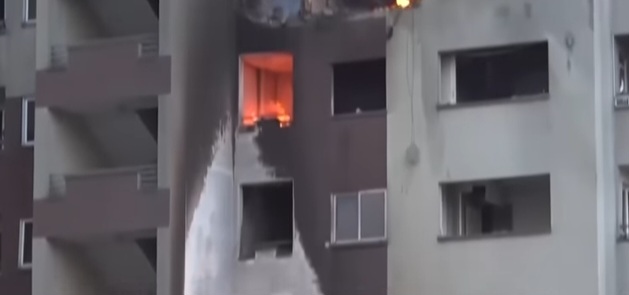

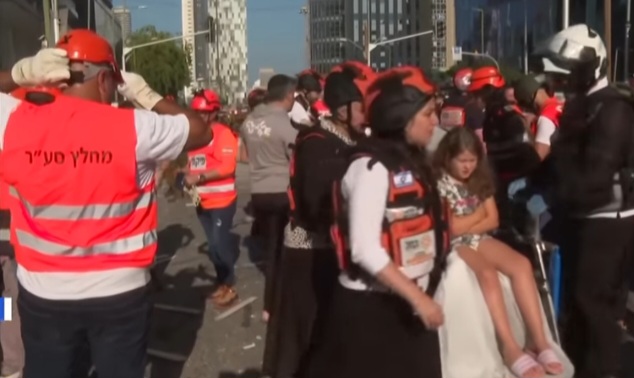
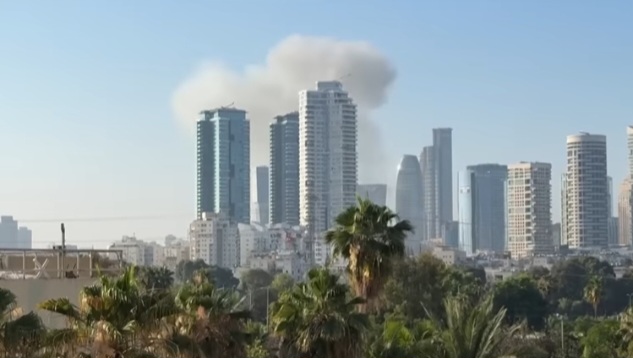
The recent US military strikes on Iranian nuclear facilities, codenamed Operation Midnight Hammer, and Iran’s subsequent ballistic missile attacks on Israel, are not isolated events in a regional spat. They are markers of a rapidly evolving geopolitical crisis, where covert operations, double games, and shadow diplomacy define the true contours of the conflict. Beneath the surface, a far more dangerous game is being played — one that could well shape the security of the world for years to come.
Cratered Targets, Undiminished Threat
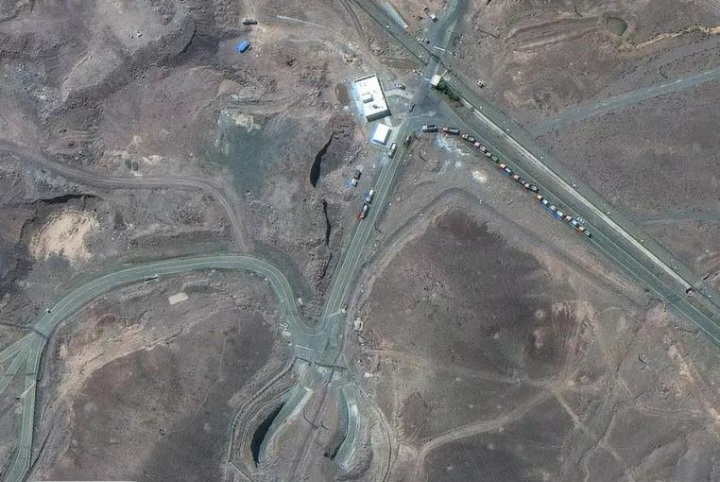
Satellite images showing large surface craters at Iran’s key nuclear sites, including Fordo and Natanz, were meant to send a message: American might can reach the heart of Iran’s nuclear infrastructure. But the reality beneath the rubble tells a different story.
“There is no evidence of deep bunker-busting sequences that could have obliterated Iran’s hardened underground complexes.”
There are no visible signs that bunker-busting bombs penetrated 200 feet underground in sequential precision — the kind of assault needed to decisively dismantle Iran’s fortified nuclear operations. And the most telling clue? Satellite imagery captured 16 cargo trucks at Fordo just two days before the strikes, strongly suggesting that Iran had already moved critical assets out of harm’s way.
Pakistan: The Unseen Vault
Where did Iran’s enriched uranium go? The answer may lie across the border in Pakistan. Long known for its double-dealing diplomacy and nuclear proliferation record, Pakistan fits the profile of a convenient and complicit shelter.
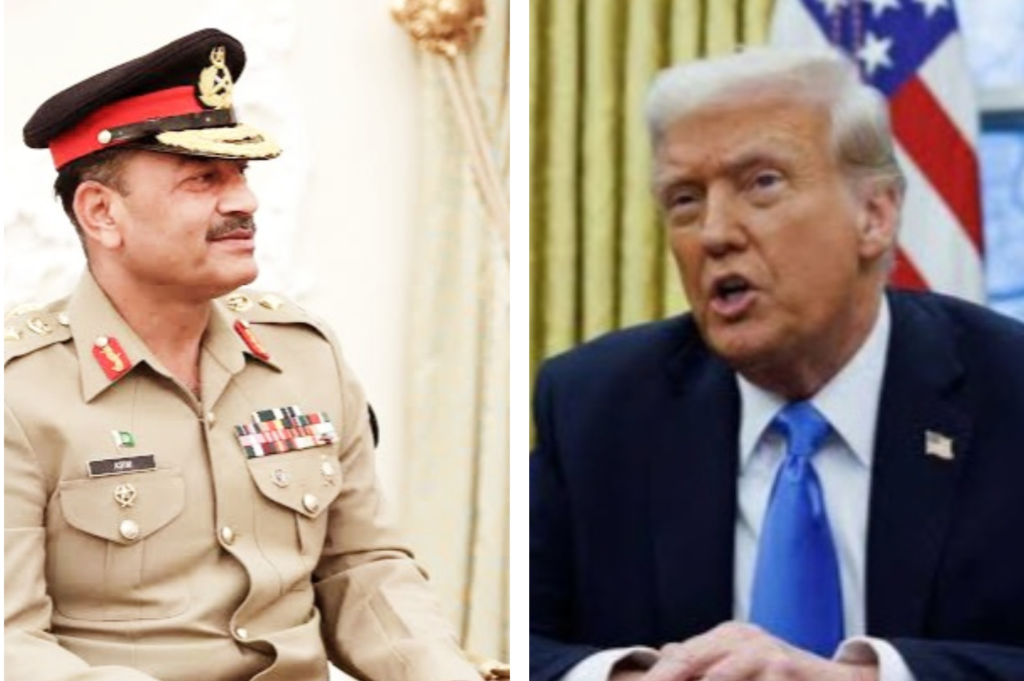
“Pakistan hunts with the hounds and runs with the hare — courting American favor while covertly advancing its Islamist strategic objectives.”
Having likely received advance notice of the impending strikes — visible through the mobilization of US B-2 bombers — Iran would have been foolish to leave its most valuable nuclear material exposed. The comparison to Osama bin Laden’s secret sanctuary in Abbottabad is hard to ignore. If Iran’s near-bomb-grade uranium is now safely in Pakistan, the world may be on the brink of a nuclear nightmare, shielded by geography and duplicity. However, it would be entirely a different nuclear chess game, if Russia, by offering a helping hand, had stepped in and denuclearised Iran by taking away the centrifuge and other missile material a couple of days before the US B-2 bombers struck the Fordo enrichment site.
Iran’s Missiles: For Survival, Not Just Retaliation
Iran’s ballistic salvos against Israel were inevitable. Beyond the need to retaliate for the US assault, these strikes were critical for regime survival. The Islamic Republic, teetering under economic hardship and internal dissent, had no choice but to demonstrate resolve.
“Without retaliation, the Khamenei regime would risk collapse from within.”
The missiles served both as an outward warning and an inward reassurance to a restless populace — that their leaders remain defiant in the face of American and Israeli power.
India’s Calculated Diplomacy
In stark contrast to the volatility of other regional players, India under Prime Minister Narendra Modi has chosen a path of quiet engagement. His 45-minute call with the Iranian leadership after the strikes, and Tehran’s subsequent thanks for India’s support, reflect New Delhi’s nuanced approach: strengthening influence while avoiding overt entanglement.
“In a world of shadow boxing, India’s silence speaks volumes.”
By keeping its moves discreet, India preserves its strategic options and reinforces its credibility as a stabilizing force.
The Road to Catastrophe?
The stage is now set for further escalation. Iran’s nuclear ambitions are far from defeated; they have simply been relocated, concealed, and protected by allies who thrive on duplicity. With its capabilities intact, its regime’s survival tied to defiance, and the region’s fault lines deepening, the risk of a far greater conflict — possibly a third world war — is no longer theoretical. It is a gathering storm.
