

The passing of former Prime Minister Manmohan Singh marks the end of an era in Indian politics, but while tributes flood in from across the globe, it is important to approach his legacy with the same objectivity and scrutiny that defined his tenure. Rather than follow the conventional path of eulogizing the deceased, this critique aims to analyze his time in office with a clear-eyed perspective, focusing on the shortcomings that often went unaddressed during his years at the helm. A highly educated technocrat, Singh’s tenure was marked by a blend of economic reforms and political challenges, yet his leadership often appeared passive, reluctant, or disconnected from the urgent needs of the nation. In the interest of a more nuanced and dispassionate evaluation, this analysis seeks to spell out his failings that cannot be swept under the carpet on his demise.
The human side of Manmohan Singh
I recall that one occasion when I got the opportunity to spend some time with Manmohan Singh in 1998. It was on the eve of the Congress party’s Pachmarhi brainstorming session, when senior Congress leaders, Manmohan Singh, RK Dhawan, ML Fotedar, Pranab Mukherjee, and Ajit Jogi, all squeezed into a Tata Sumo, along with me, to inspect the Conclave venue and the hotels where the delegates were staying (I was invited to join the Congress leaders in my capacity as The Hindu Correspondent covering Madhya Pradesh). Going on inspection was their responsibility, for me, it was just an opportunity to spend some time with the Congress leaders. I found them like guys next door, all in their elements like anybody else. They cracked jokes and poked fun at each other – the fact that I was with them made no difference, rather they made sure I was involved equally in the lighter moments. – Lalit Shastri, Editor-in-Chief
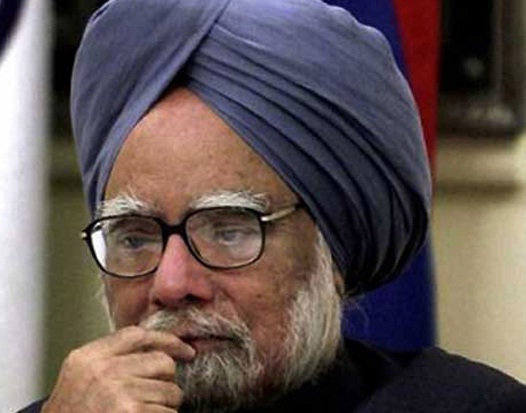
Manmohan Singh- A Critique by This is News
Manmohan Singh served in several critical roles between 1972 and 1987, including Economic Advisor to Prime Minister Indira Gandhi, Governor of the Reserve Bank of India, and Deputy Chairman of the Planning Commission. During this period, he was at the helm of shaping India’s economic policies. However, the Indian economy fared poorly during this time, stagnating while China surged ahead, leaving India significantly behind.
By 1991, India’s economy was in dire straits. The country faced a balance of payments crisis so severe that it had to pledge its gold reserves to the Bank of England to sustain essential imports, particularly oil. Indian currency, government bonds, and promissory notes found no takers in international markets. India was even ineligible for an IMF loan without agreeing to stringent conditions. To secure the loan, the IMF imposed and monitored a series of economic reforms, which were implemented by the PV Narasimha Rao government. Manmohan Singh, chosen by Rao as Finance Minister, became the face of these reforms. However, the credit for adhering to and implementing these reforms belongs to Narasimha Rao. Later, the Vajpayee government played a pivotal role in infrastructure development, initiating projects like airports, ports, and the Golden Quadrilateral—a vast network of highways connecting India’s major cities.
The economic gains achieved under Narasimha Rao and Vajpayee were largely squandered during Manmohan Singh’s tenure as Prime Minister from 2004 to 2014. Despite inheriting a solid foundation of structural and infrastructure reforms, his government failed to advance industrial reforms. Instead, his tenure was marred by massive corruption scandals, including the Commonwealth Games scam, the 2G spectrum allocation scandal, and the mining scam. These scandals facilitated the export of raw materials to China while India imported finished goods like mining machinery, communication hardware, and mobile handsets from China. As a result, India became a consumer market exploited by China, allowing it to grow into an economic giant and leaving India further behind.
During his tenure as PM, Manmohan Singh allowed the subversion of constitutional norms by permitting his cabinet to function under the influence of the Sonia Gandhi-led National Advisory Council (NAC). This council included members funded by organizations like those associated with George Soros, including individuals like Arvind Kejriwal and Harsh Mander.
Ahead of the 2014 general elections, Singh publicly stated that he would be happy to serve under Rahul Gandhi, even calling him an “ideal choice for the Prime Minister’s post.” Earlier, Rahul Gandhi had publicly ridiculed and torn apart an ordinance brought by Singh’s government to shield convicted MPs from immediate disqualification, exposing the undermining of the PM’s authority.
Towards the end of his tenure, Singh is known for enabling the rise of populist, Soros-funded dole and freebie politics in Delhi, Bengal, and southern states, weakening the Centre’s economic initiatives and fostering widespread corruption. His policies left India burdened with significant debt. To keep petroleum prices artificially low, his government issued oil bonds, forcing public sector banks, insurance companies, and other institutions to invest heavily in them. The burden of servicing these bonds now falls on the current government. Even with access to cheap Russian oil, petroleum prices remain high due to the need to service the debt incurred from these oil bonds.
