
Newsroom24x7 Network
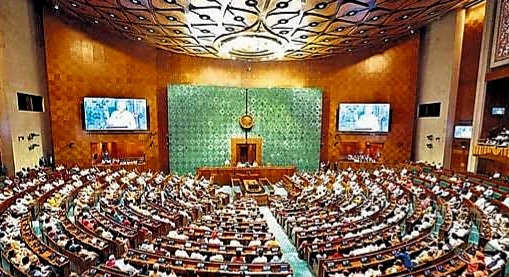
New Delhi: In a landmark moment for gender equality in Indian politics, the Women’s Reservation Bill was passed during a special session of the Indian Parliament (Lok Sabha) on Wednesday, September 20, 2023.
The bill, which aims to empower women in the political arena, was met with overwhelming support as 454 members voted in favor of its consideration, while only two members opposed it.
The Women’s Reservation Bill is a significant legislative effort that seeks to reserve one-third of seats in both the Lok Sabha and state assemblies for women. This move is seen as a major stride towards addressing the longstanding gender disparity in India’s political landscape. With its passage in the Lok Sabha, the bill now stands one step closer to becoming law, pending approval in the Rajya Sabha.
The historic vote in the Lok Sabha reflects the growing momentum for gender equality and the active involvement of women in Indian politics. Advocates of the bill argue that it will not only provide women with equal opportunities to participate in decision-making processes but also bring diverse perspectives to the forefront of India’s political discourse.
The passage of the Women’s Reservation Bill is being celebrated as a significant milestone in the fight for gender equality and women’s empowerment in India. It signifies a collective commitment to breaking down barriers that have limited women’s representation in politics and will pave the way for a more inclusive and representative democracy.
The bill’s journey through the legislative process is far from over, as it now moves to the Rajya Sabha for further consideration. However, with strong support in the Lok Sabha, there is optimism that this historic legislation will ultimately become law, ushering in a new era of gender parity in Indian politics.
During the special session of the Indian Parliament, Congress leader Rahul Gandhi drew attention to the issue of reservation for Other Backward Communities (OBCs) and raised the matter of representation and data collection. Mr. Gandhi has drawn flak from different cross-sections as he raked up the issue of “denial of reservation to OBCs” at this juncture obviously to fan divisive and vote bank politics keeping the coming elections in view. His observation that only three out of the 90 Secretaries to the Government of India belong to OBCs to underscore the problem of underrepresentation in key administrative roles has come under sharp attack by those in knowledgeable circles, particularly those who are for merit in promotion at that level.
 This is News